Master Bread Online, with Starred Chefs
Sourdough, artisan loaves, and enriched doughs, taught by chefs who bake for a living, not a crowded field of weekend workshops. Learn at your own pace.
Free 7-day trial. Cancel anytime.
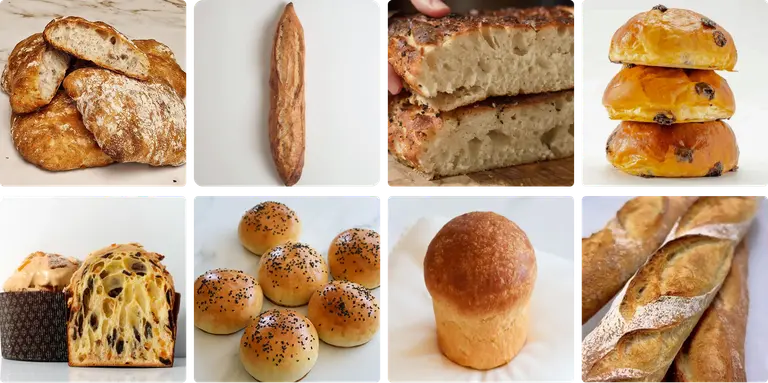
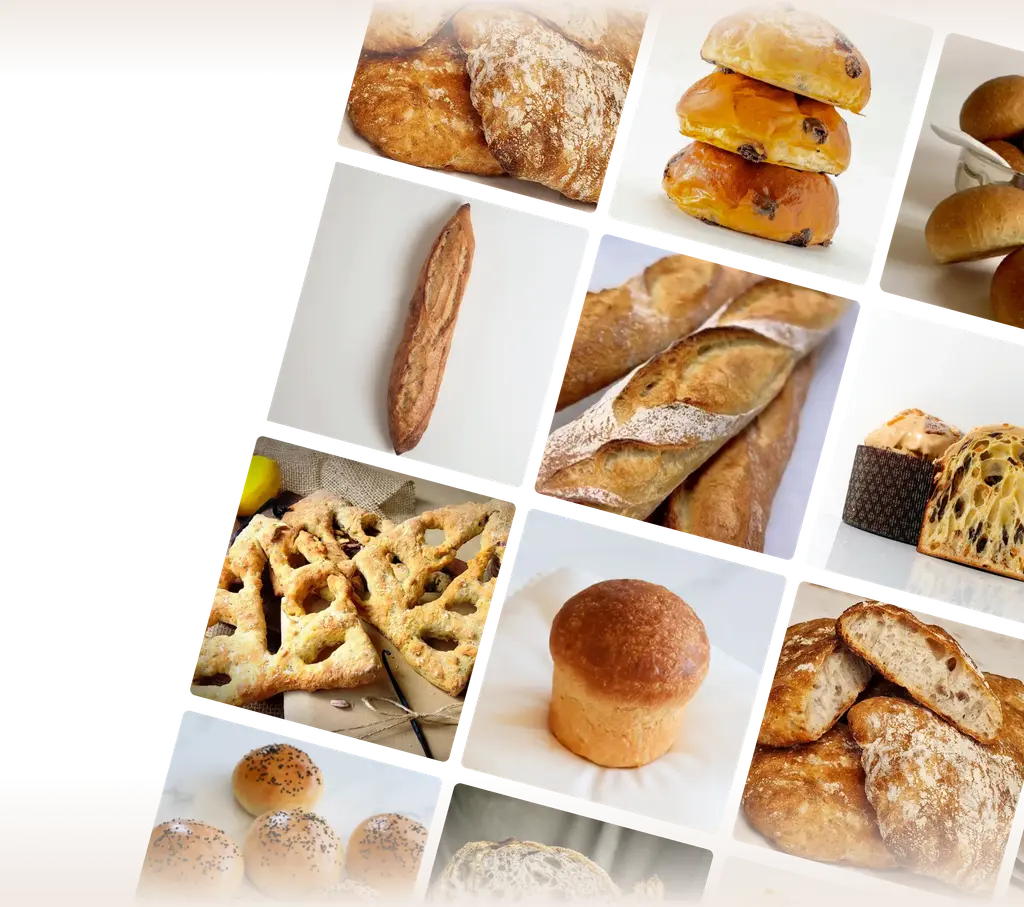
Understand the technique behind every step
Correct hydration, fermentation time, dough temperature, fold count and more for consistent bread every time.
Sourdough & Wild Leaven
Artisan & Enriched Loaves
Bread Baking Fundamentals
Boulangerie Technique
Flatbreads & Focaccia
Rye & Whole Grain
Shaping & Scoring
Baguette & Lean Doughs
5 masterclasses
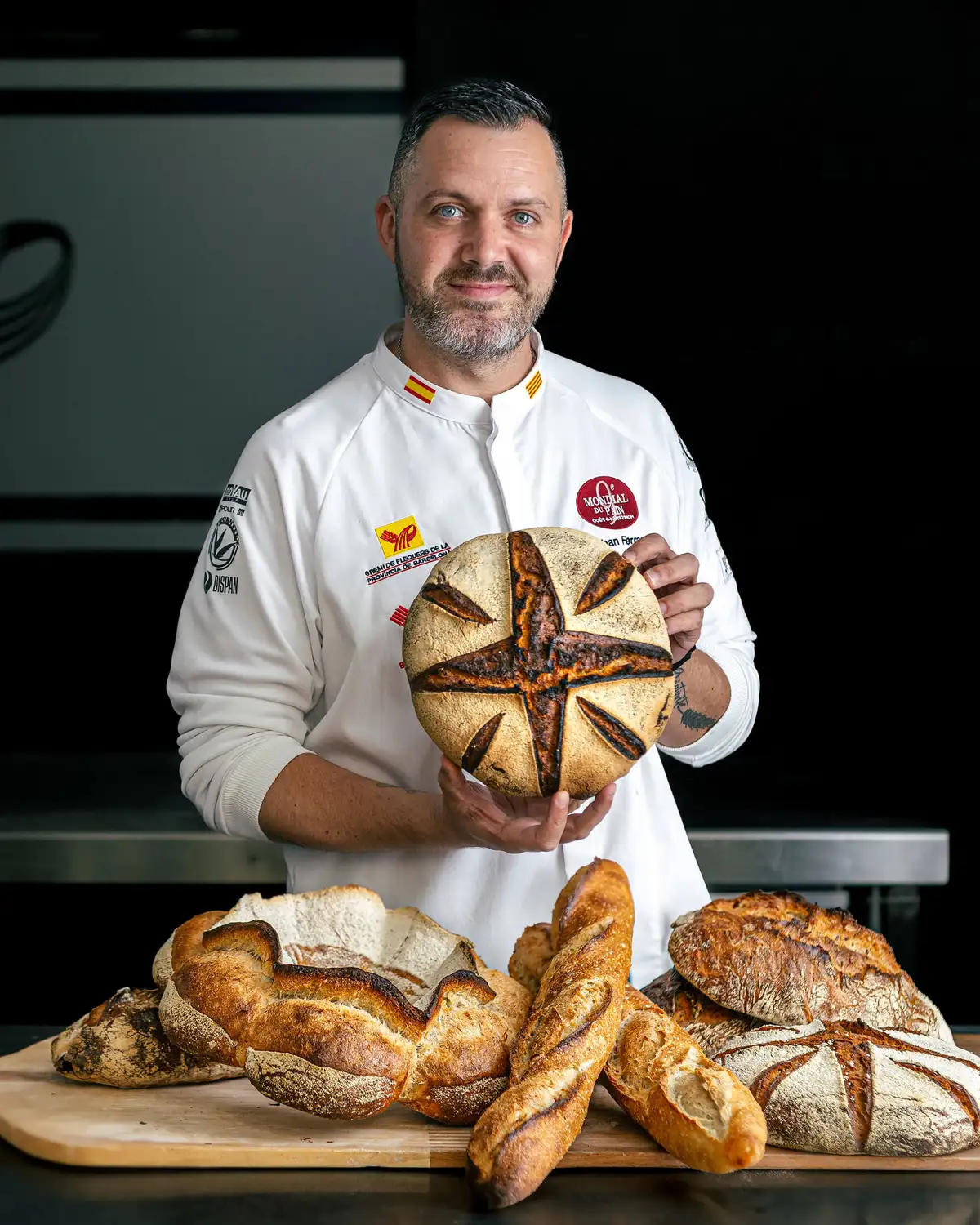
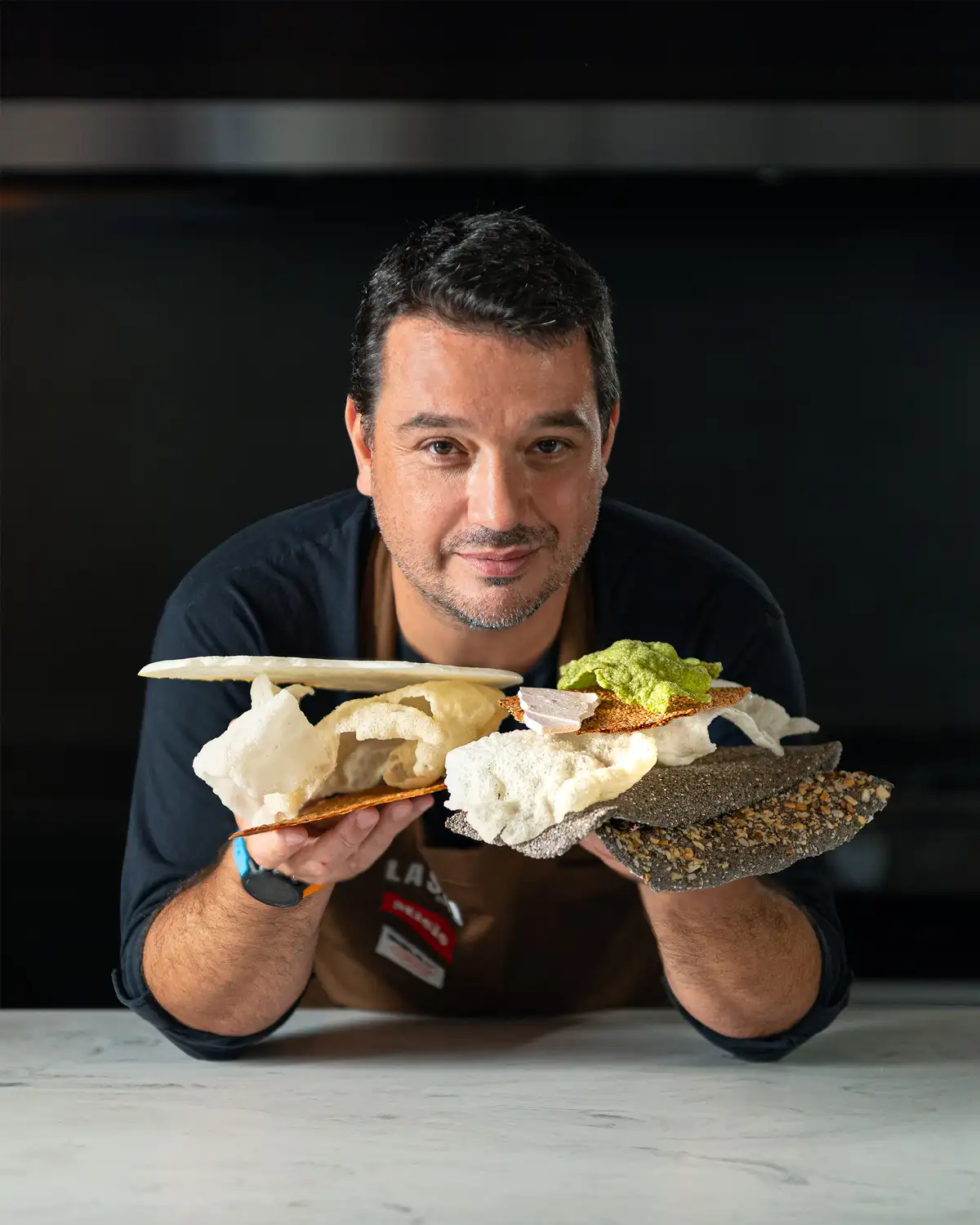
Sourdough, artisan loaves, enriched doughs, flatbreads and whole grain baking. Filmed start to finish, with recipe sheets and quantities, taught by the chef who runs the section.
592 recipes & techniques
Explained step by step, with new content added every week. So that you are always up to date with the latest bread trends.
Discover Bread at your own pace
Bread Baking Course Online, Taught by Working Chefs
Filmed start to finish, with recipe steps and quantities. Sourdough, artisan loaves, enriched doughs and bread fundamentals, taught by chefs who bake for a living.
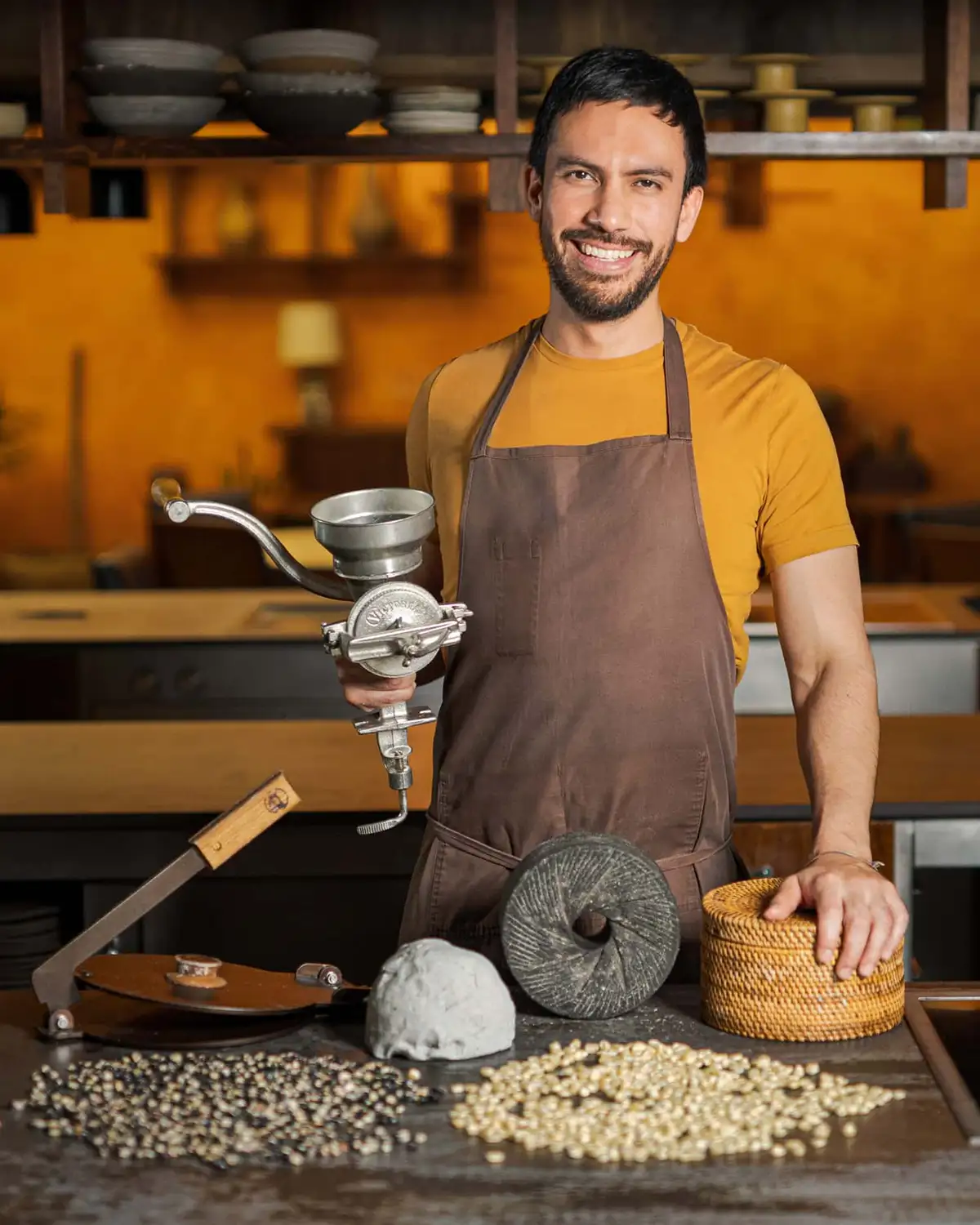
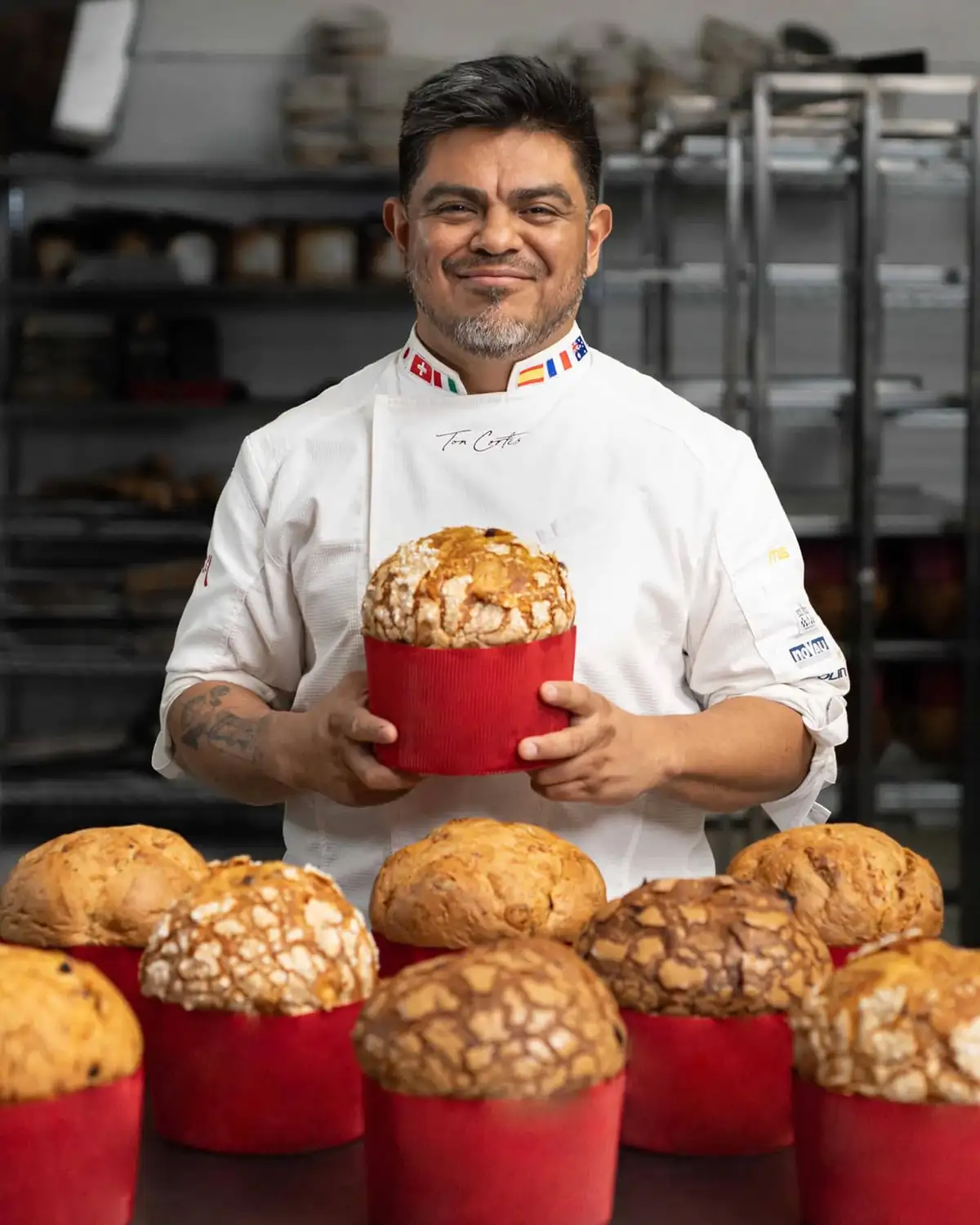
Recipes to Practice What You Learn
Classes are just the start. Professional bread recipes from the world's leading chefs, added every week.
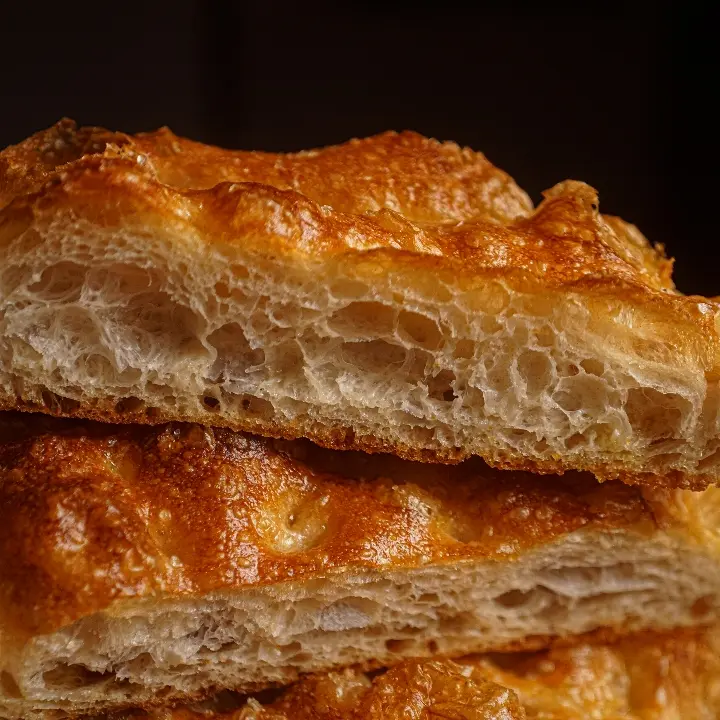
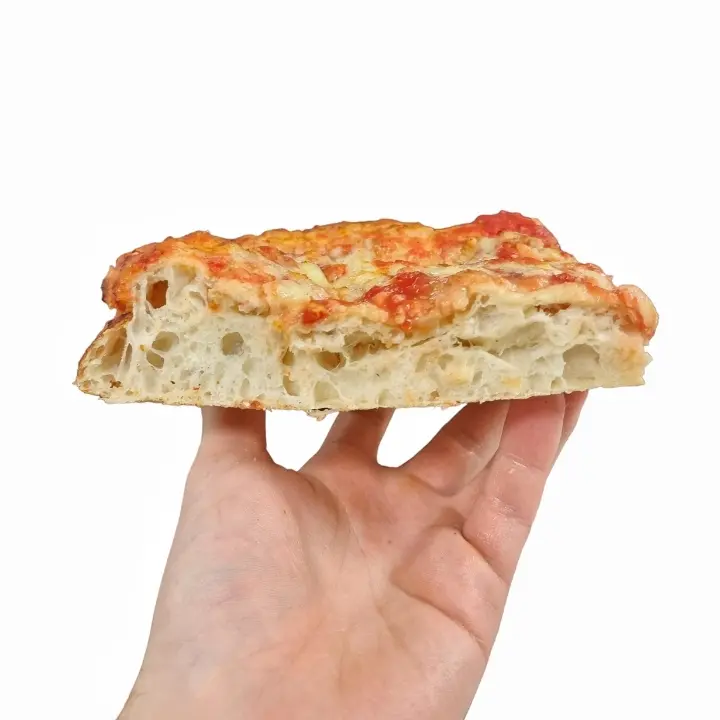
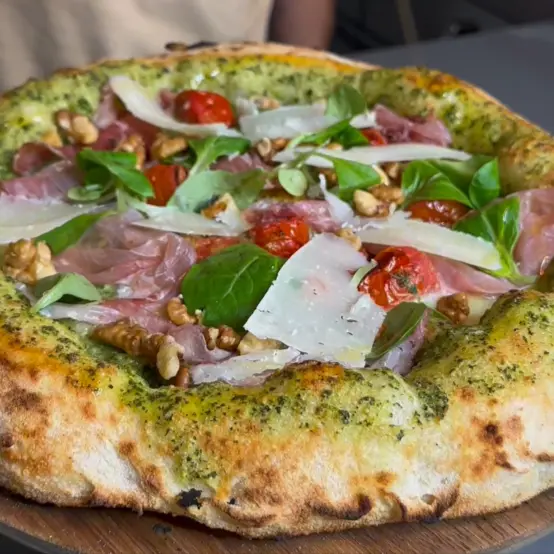
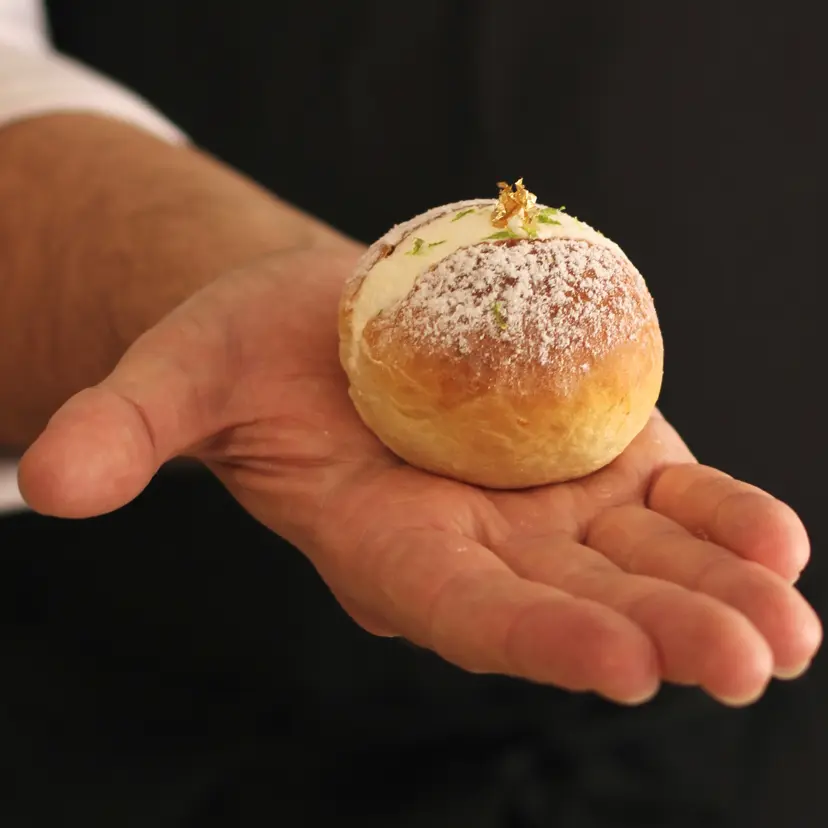
Techniques Every Bread Baker Should Master
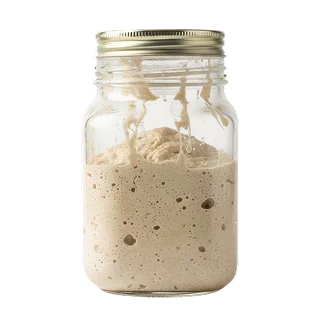
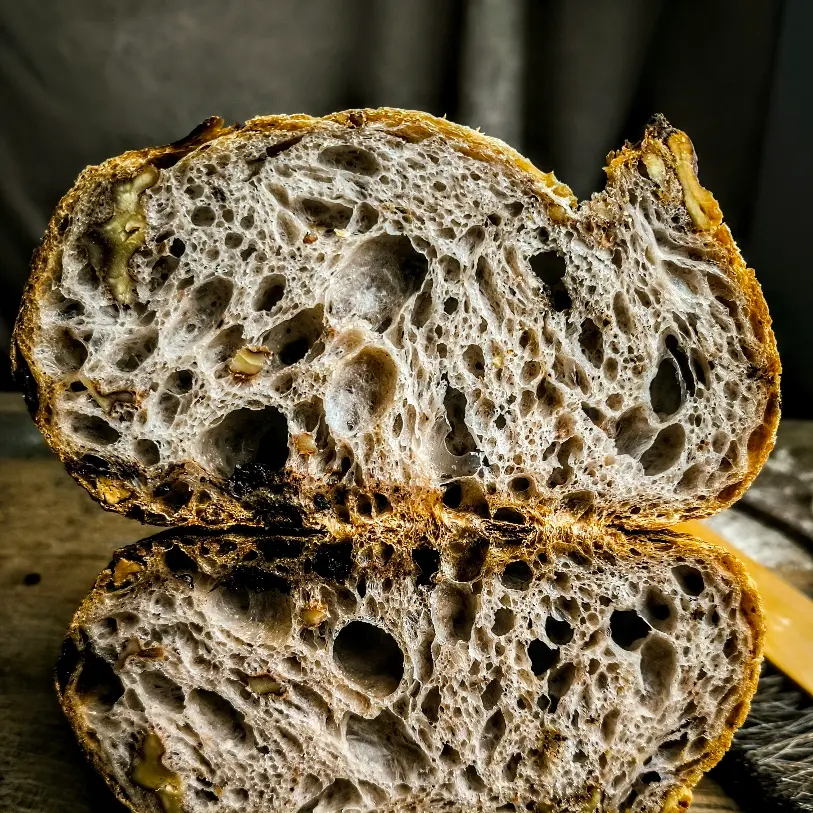
Wild Leaven & Starters
Building and maintaining a live starter: feeding ratio, rise time and the signs that tell you it's ready to bake with. The foundation every sourdough loaf is built on.
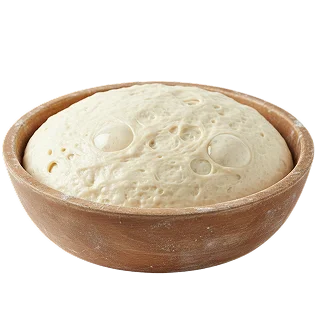
Bulk Fermentation
The first rise, where flavor and structure develop before the dough is shaped. Timing depends on temperature, not the clock, and reading it correctly is what separates good bread from great bread.
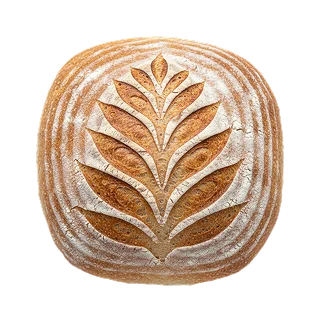
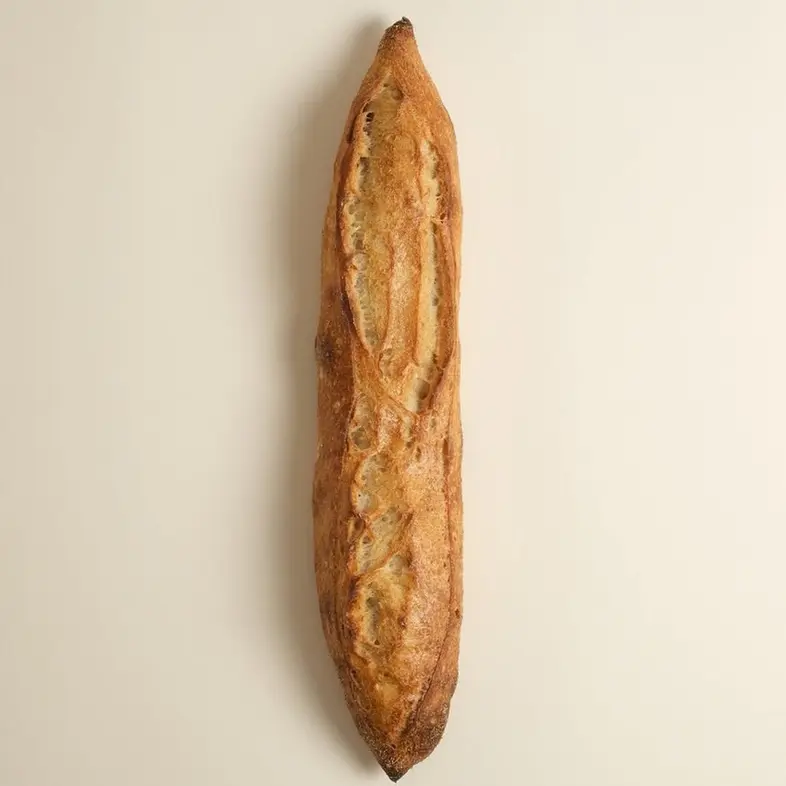
Shaping & Scoring
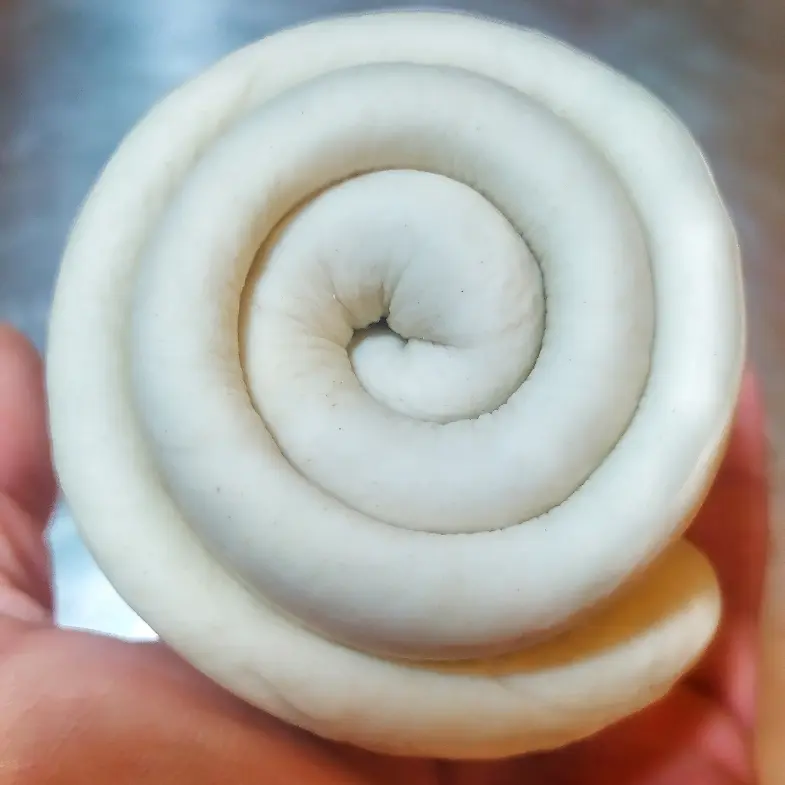
Building surface tension as you shape the loaf, then scoring it correctly so it opens the way you intend during the oven's first minutes. Two small moves with an outsized effect on the finished loaf.
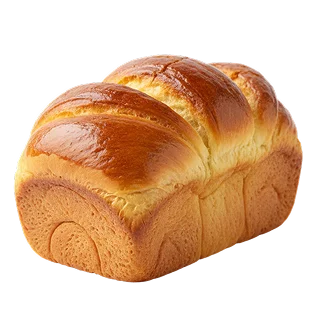
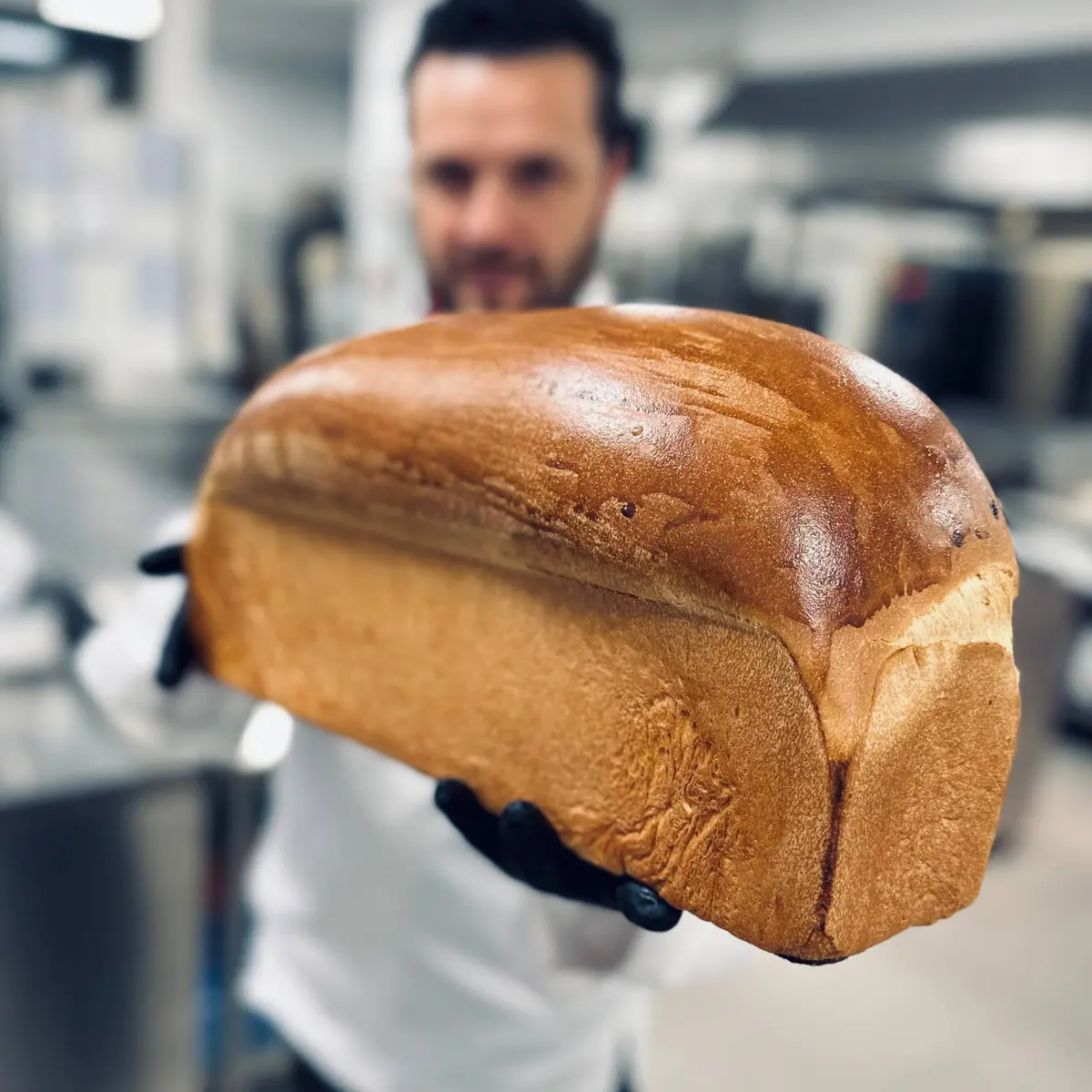
Enriched Doughs
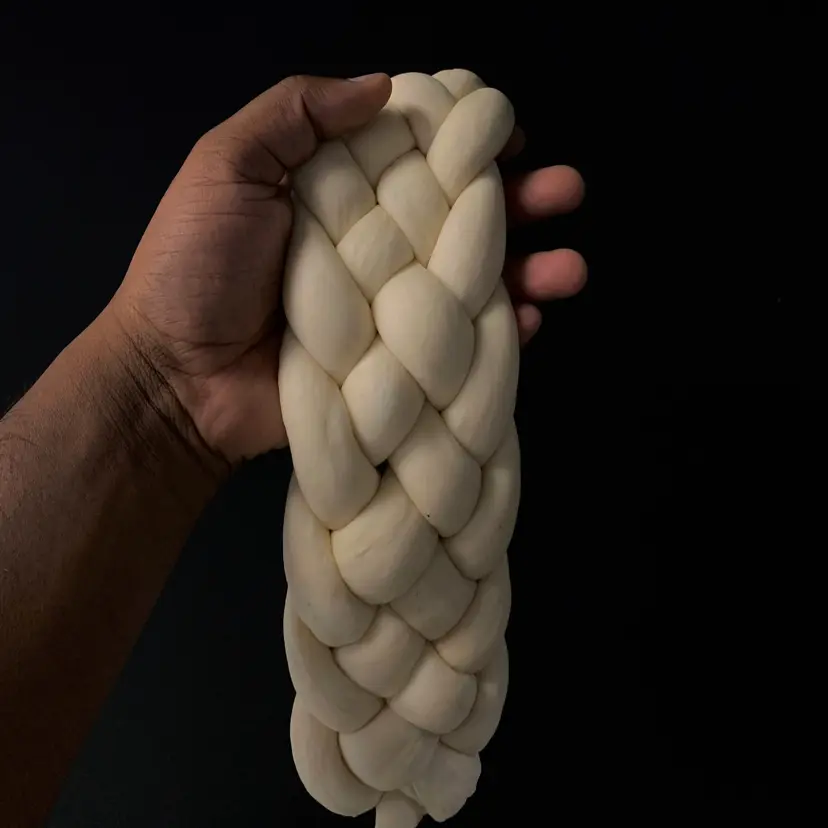
Working butter, eggs, milk and sugar into a dough without collapsing its structure. Brioche, challah and milk bread, and the mixing and proofing adjustments each one calls for.
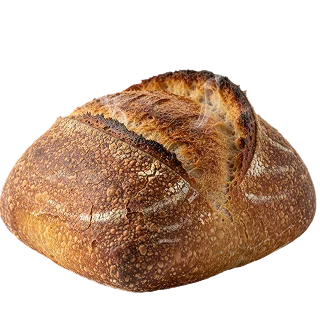
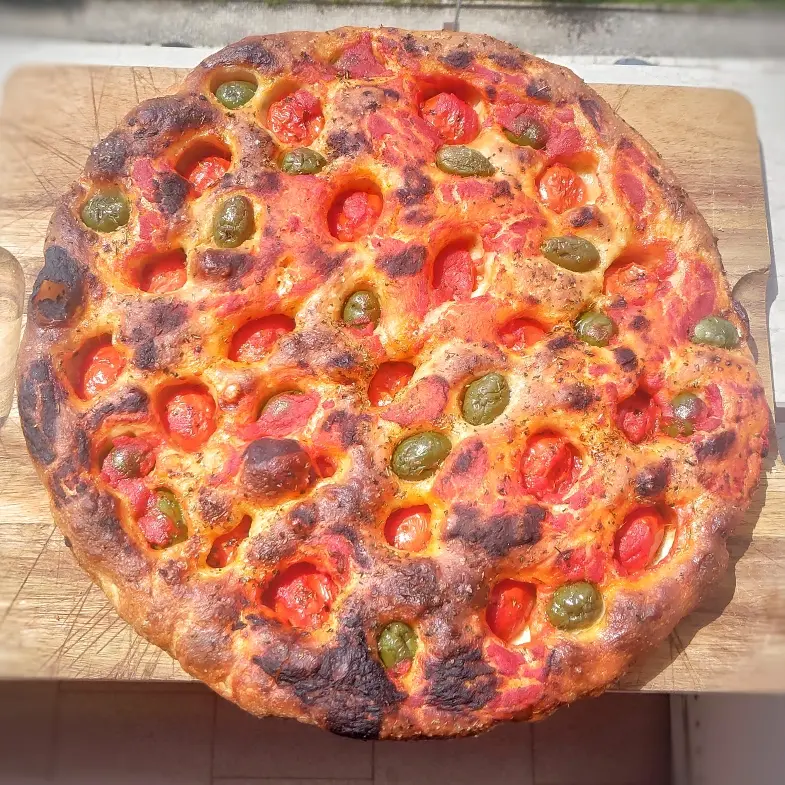
Steam & Crust
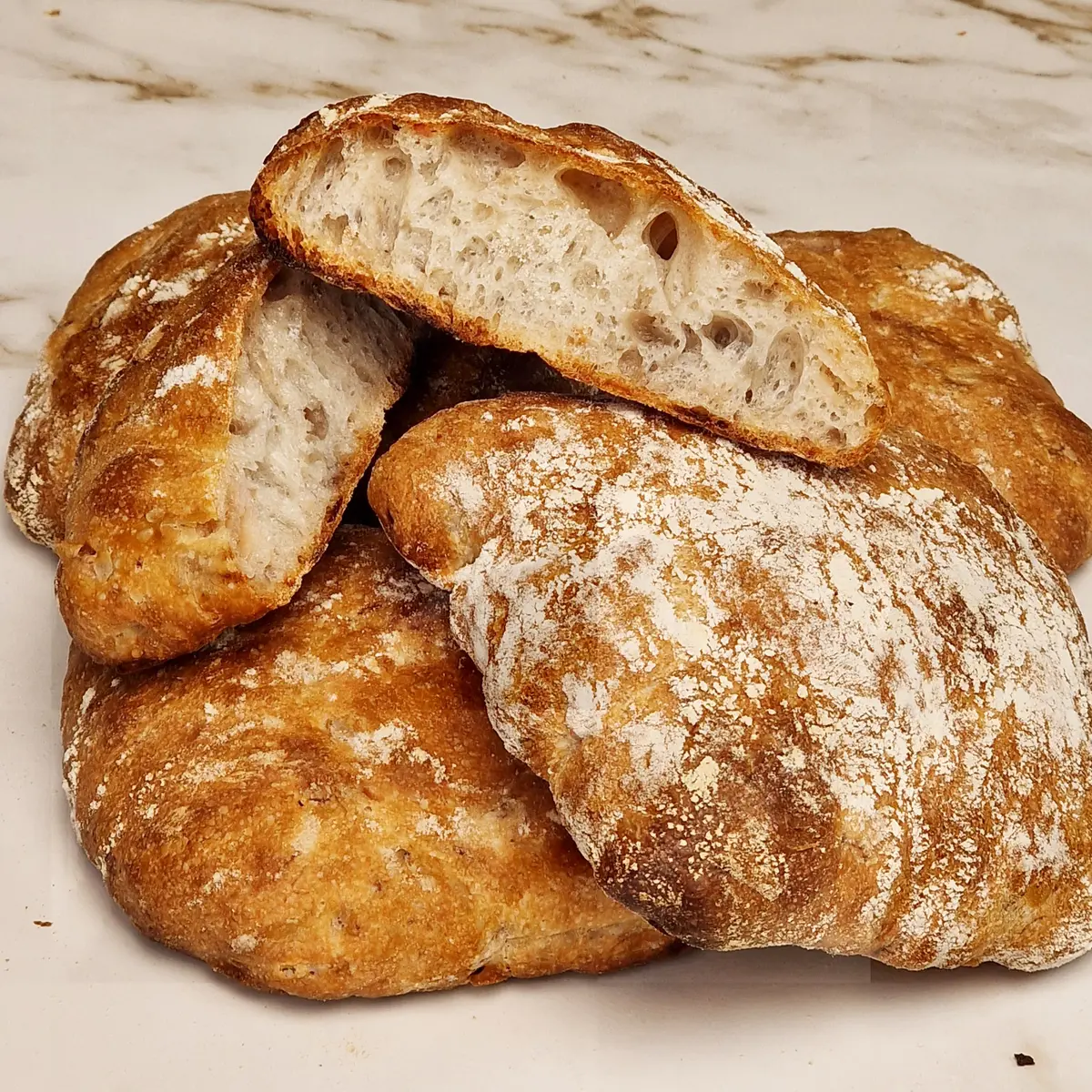
Using steam in the oven's first minutes to delay crust formation, so the loaf can fully expand before it sets. The difference between a thin, glossy crust and a thick, dull one.
One membership. Access all content.
Every masterclass, the full recipe library, and the creators who add new recipes every week, all with Gronda PRO.
70+
Masterclasses, new ones every month
50,000+
Step by step professional recipes
1,500+
Creators cooking at professional restaurants
Frequently Asked Questions
There's no single required path. Most professional bakers combine some form of training, whether that's culinary school, an apprenticeship, or focused coursework, with real time at the bench. Technique, understanding fermentation, and repetition matter more than any one credential. On Gronda, you build that foundation through classes taught by chefs who work with bread and viennoiserie-adjacent techniques in professional kitchens today.
The professional path usually layers formal or informal training on top of hands-on repetition in a working kitchen or bakery. What separates a professional level of skill from a hobbyist one is consistency under real conditions, not a single class or diploma. Gronda's bread classes are taught by chefs actively working in the trade, so you're learning technique the way it's practiced in a professional kitchen, not a simplified home version of it.
There's no fixed timeline, and the brief's research doesn't support giving you a false one. It depends heavily on the path (self-taught, apprenticeship, formal school) and how much consistent oven time you put in. What moves the needle faster than the calendar is deliberate practice: reading dough, understanding fermentation, and repeating fundamentals until they're automatic. Gronda's self-paced format is built around exactly that kind of repeated, deliberate practice.
Not necessarily. Many working bakers build their skill through apprenticeships, on-the-job training, or focused coursework rather than a full degree program. What a professional kitchen actually cares about is what you can produce and how consistently you can produce it. Gronda doesn't require any prior credential to start: the classes are built around technique and repetition, the same way skill gets built on a real bakery floor.
Bread splits into a few working categories worth knowing before you start: lean doughs, fermented with wild or commercial yeast and little to no added fat, like sourdough, baguette and ciabatta; enriched doughs, where butter, eggs, milk or sugar get worked in, like brioche and challah; and flatbreads, which skip long fermentation almost entirely. Sourdough and other wild-leavened loaves sit inside the lean category, while enriched doughs follow their own hydration and proofing rules. Gronda's self-paced material covers sourdough, artisan loaves and enriched doughs, so you build technique across categories instead of just one.

Start free for 7 days
Every masterclass, 50,000+ professional recipes, and 1,500+ creators. No payment required.
4.8 on the App Store
3M+ chefs
App of the Day in 120+ countries