Master Pasta Online, with Starred Chefs
Handmade dough, filled shapes, laminated sheets, regional classics: pasta technique taught online by working chefs, not a marketplace booking page.
Free 7-day trial. Cancel anytime.
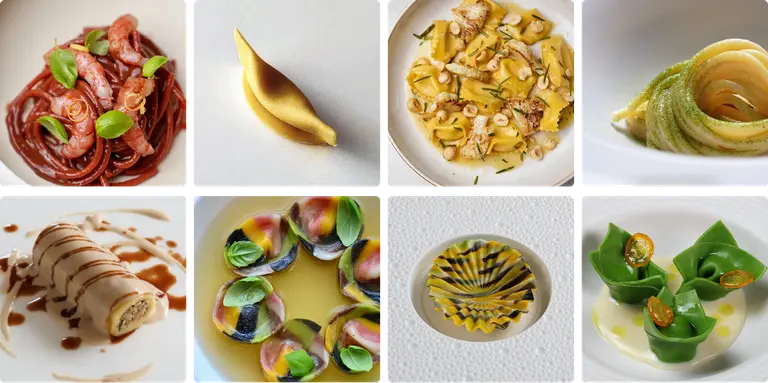
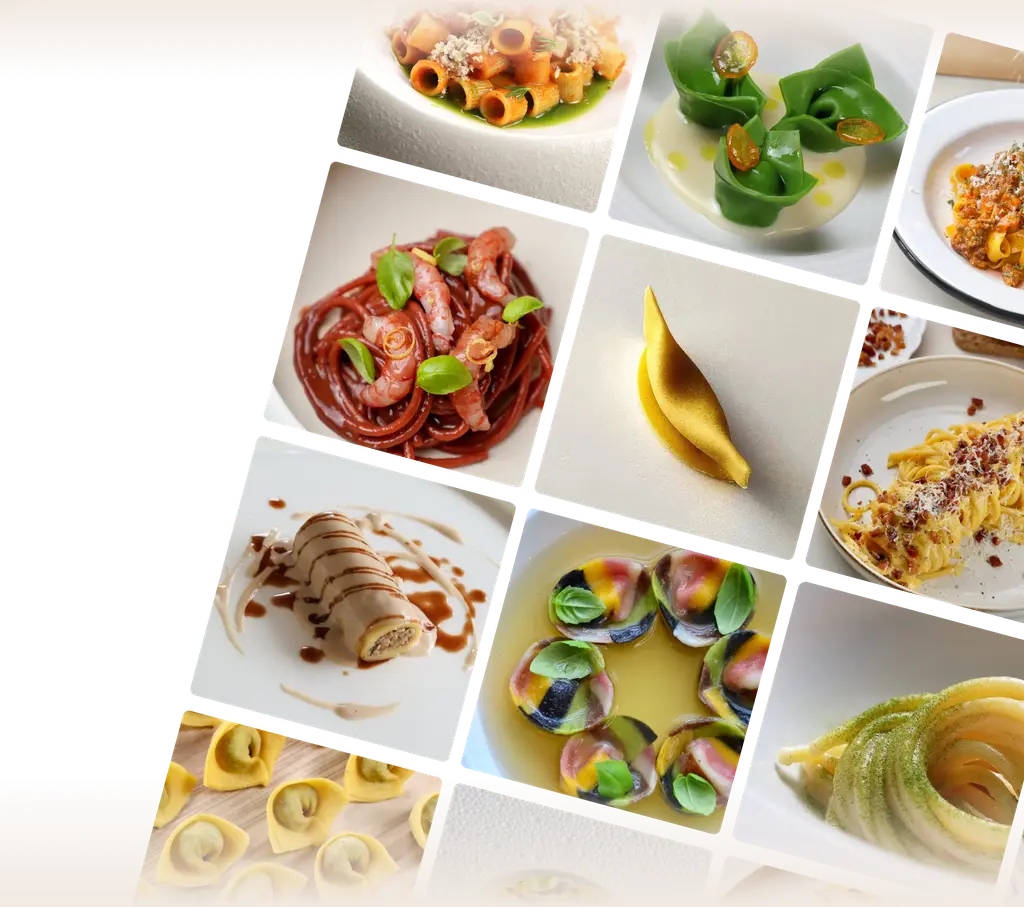
Understand the technique behind every step
Correct egg-to-flour ratio, dough hydration, rolling thickness, resting time and more for consistent pasta every time.
Fresh Pasta
Filled Pasta & Ravioli
Dried & Extruded Pasta
Regional Shapes
Pasta Lamination
Sauces & Pairings
Baked Pasta
Gnocchi & Dumplings
5 masterclasses
Fresh dough, filled shapes, dried pasta, regional formats and sauce pairing. Filmed start to finish, with recipe sheets and quantities, taught by the chef who runs the section.
238 recipes & techniques
Explained step by step, with new content added every week. So that you are always up to date with the latest pasta trends.
Discover Pasta at your own pace
Pasta Making Classes, Taught by Working Chefs
Filmed start to finish, with recipe steps and quantities. Fresh dough, filled shapes, lamination and regional classics, taught by working chefs.
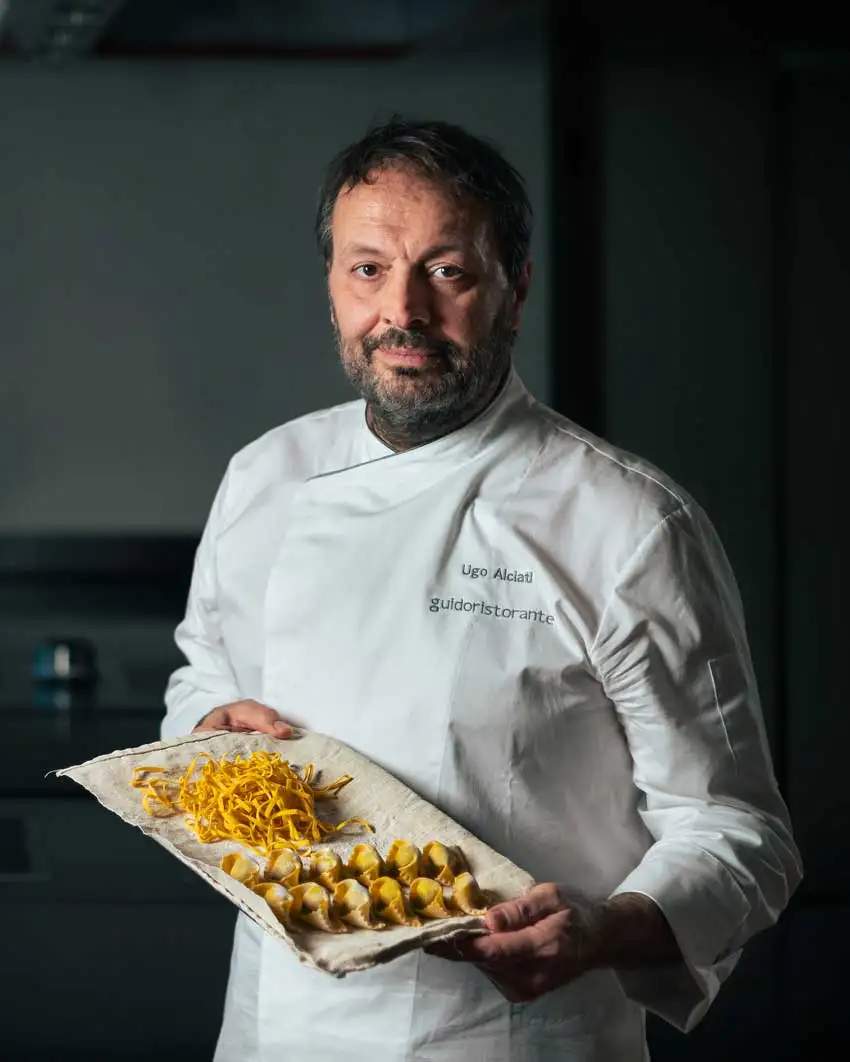
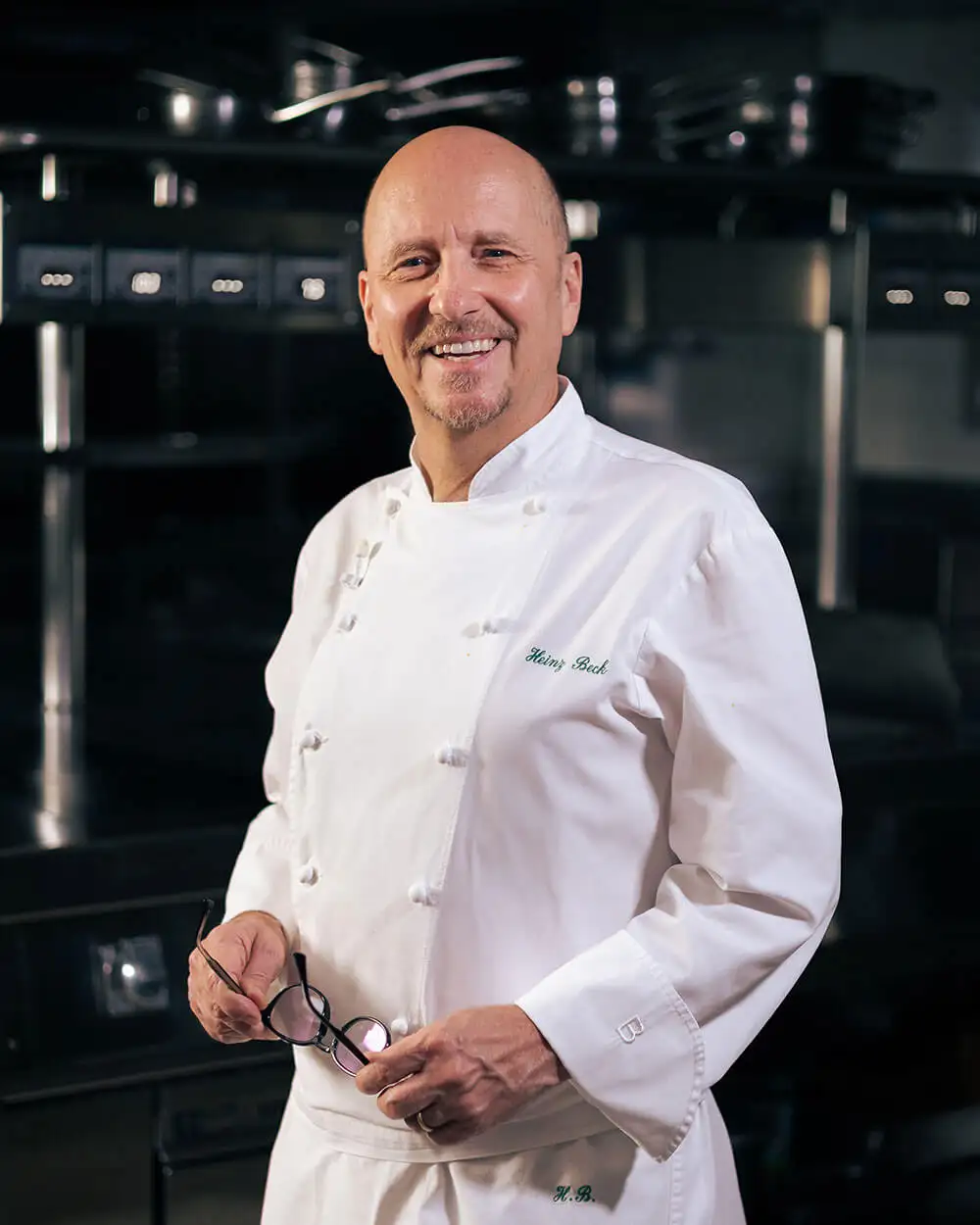
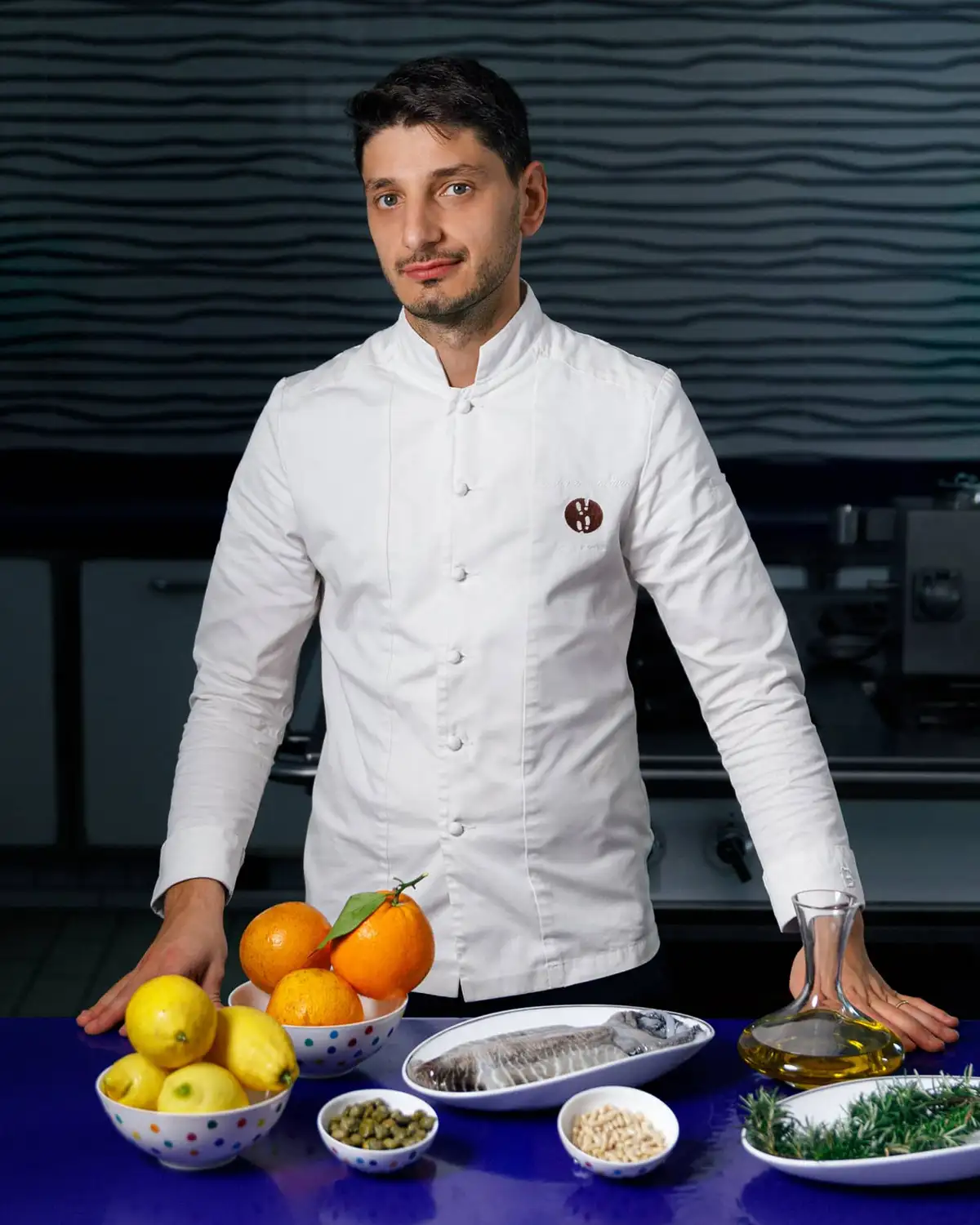
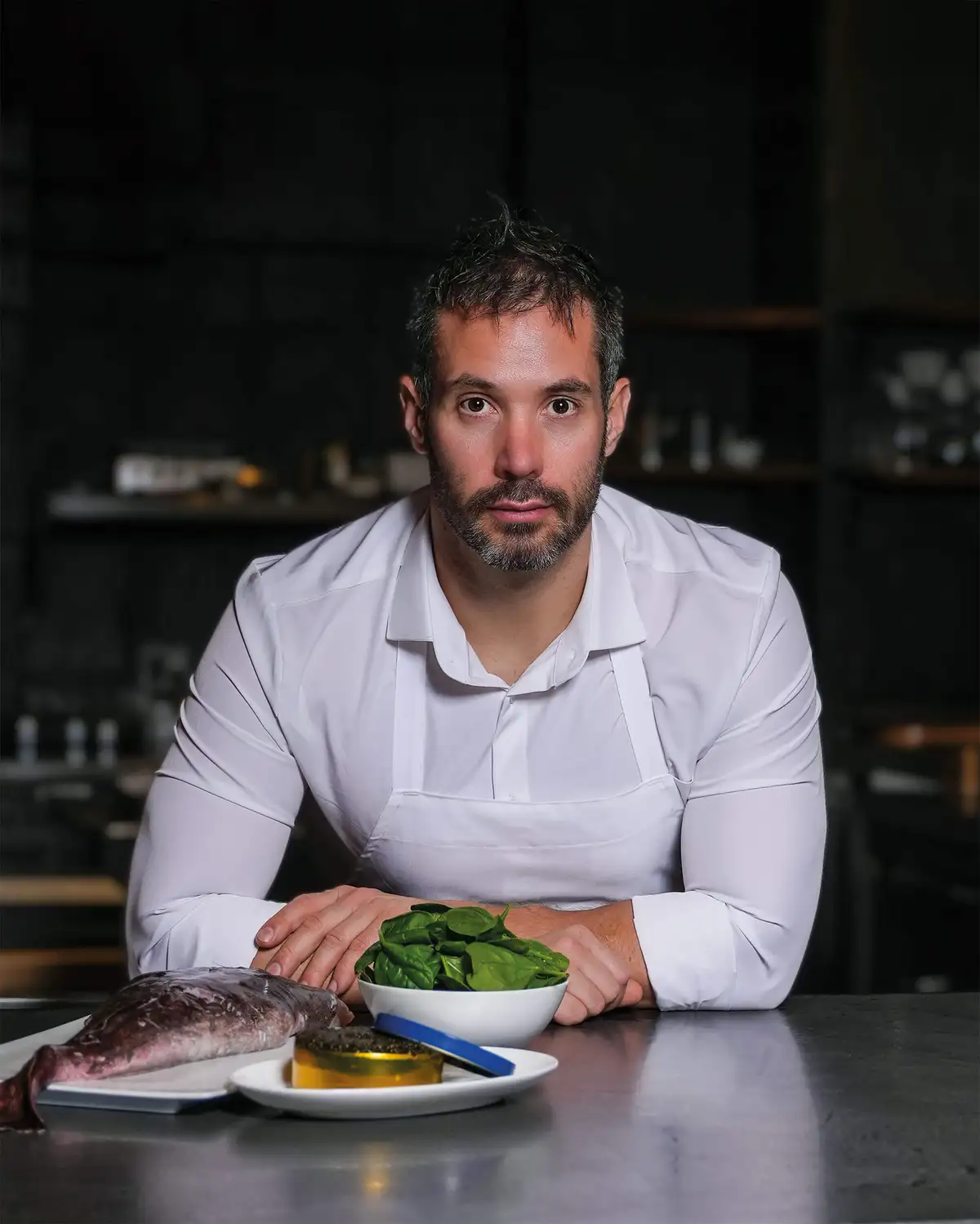
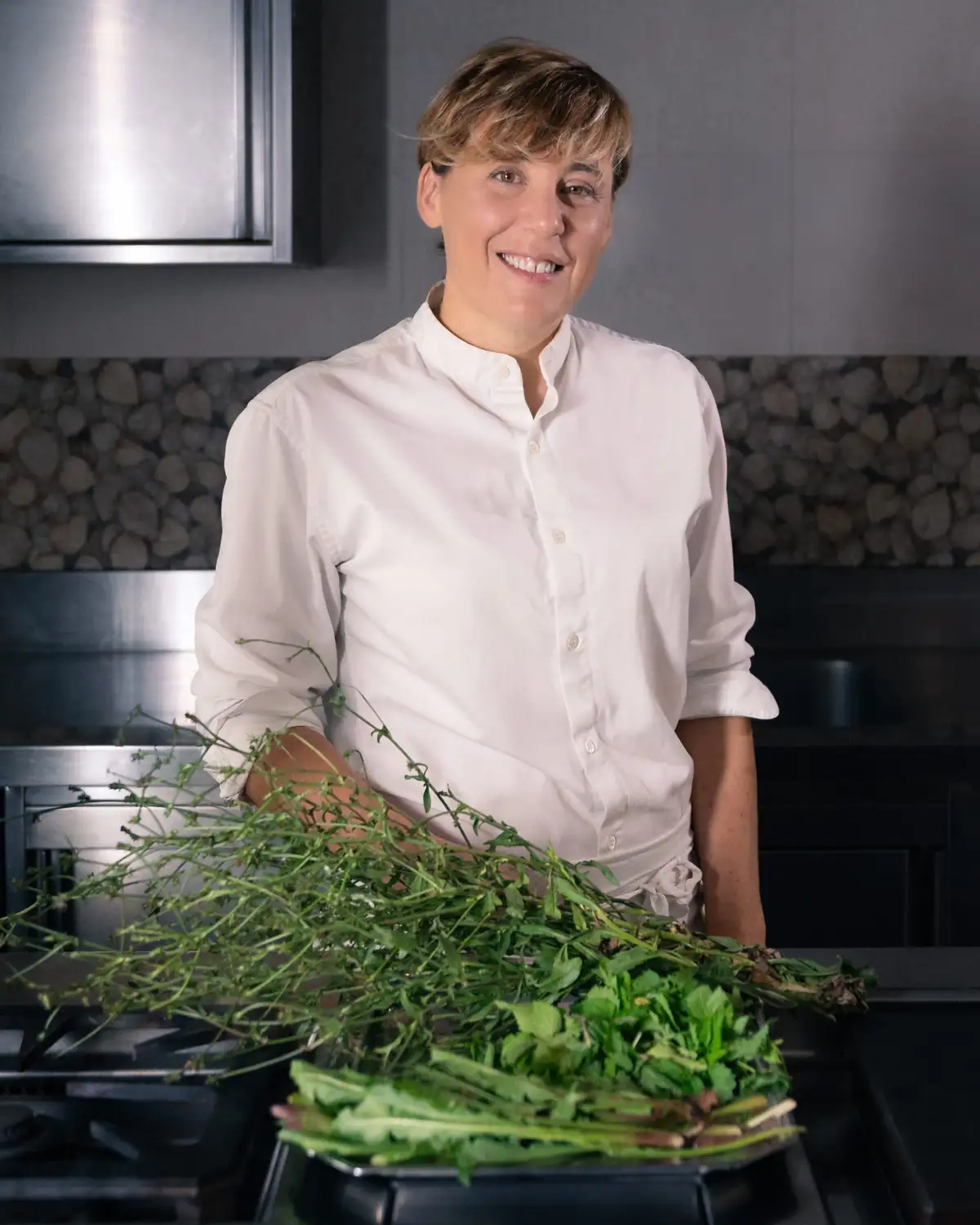
Pasta Recipes, from the Chefs Who Teach Them
Classes are just the start. Professional pasta recipes from the world's leading chefs, added every week.
Pasta Techniques Worth Practicing
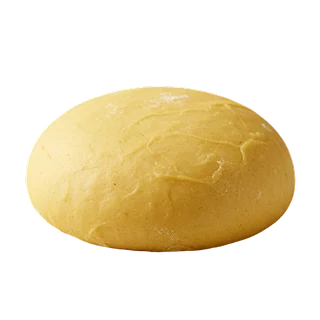
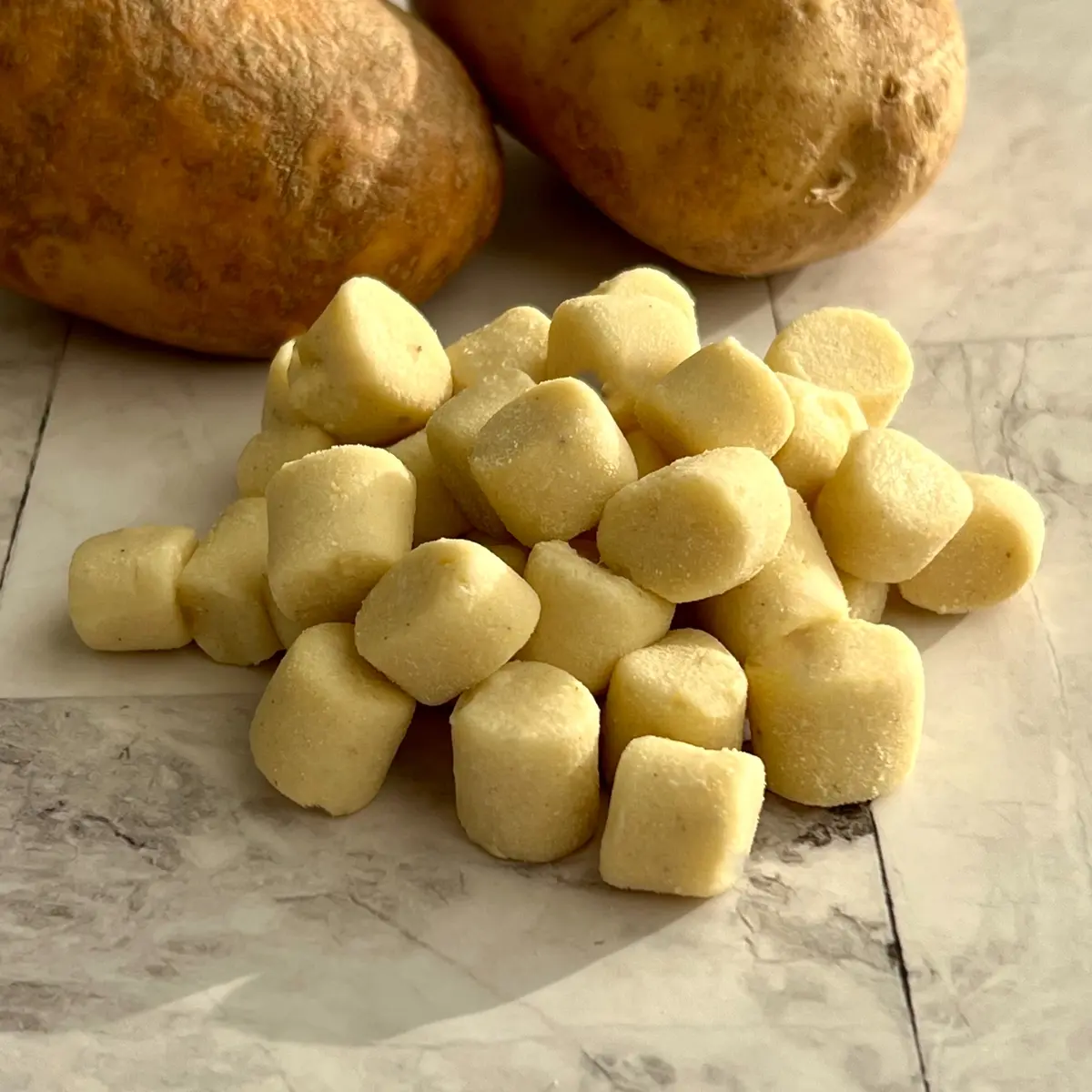
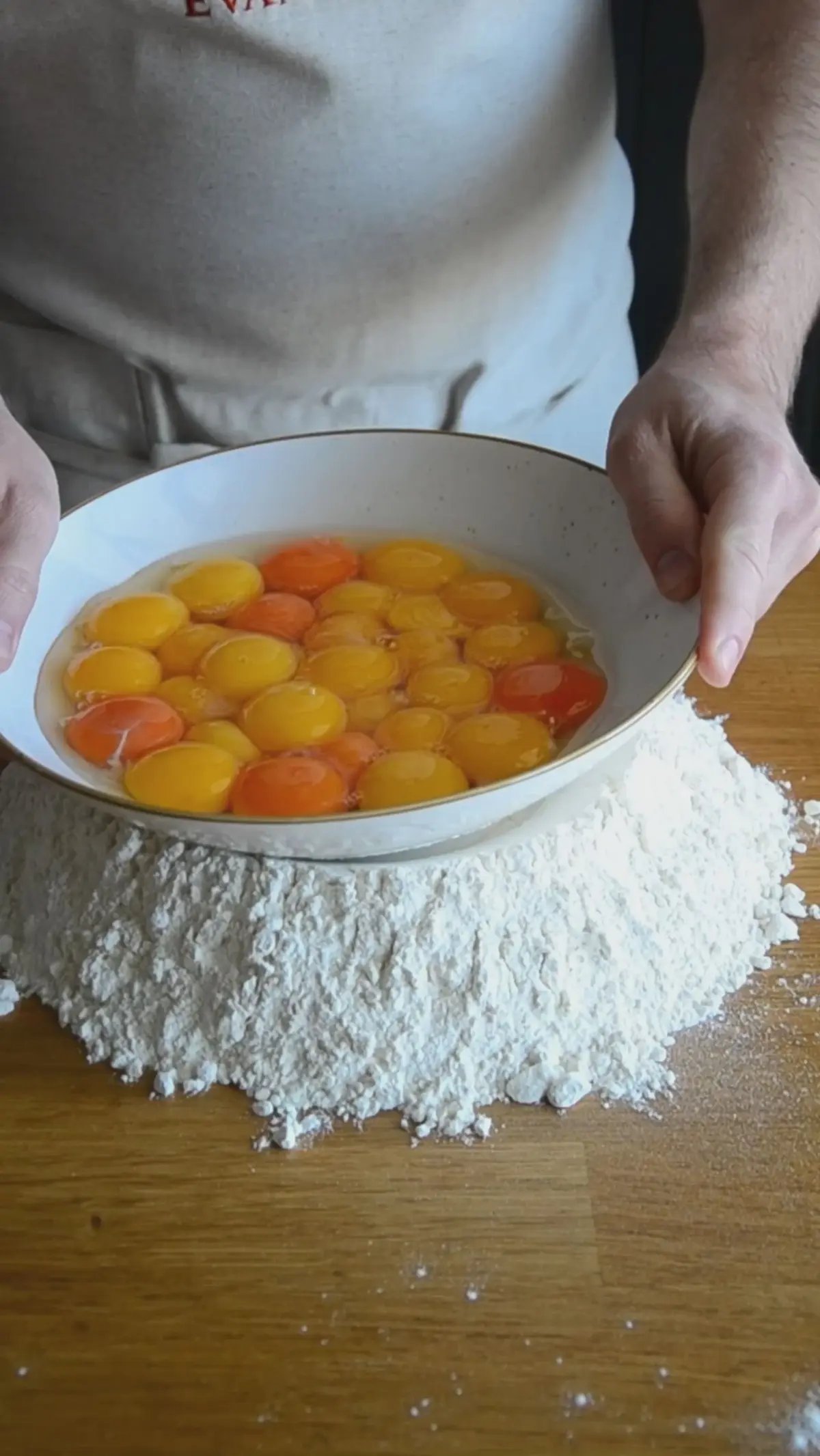
Fresh Pasta Dough
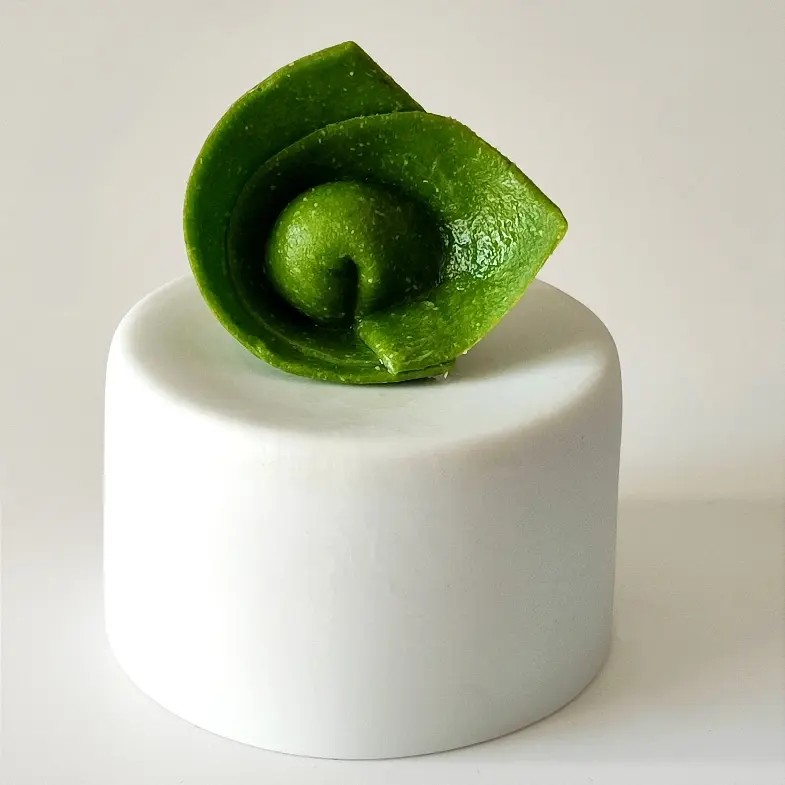
Getting the egg-to-flour ratio right and developing gluten through kneading, so the dough is elastic enough to roll thin without tearing. The base every fresh pasta shape starts from.
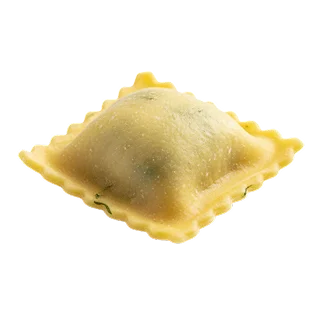
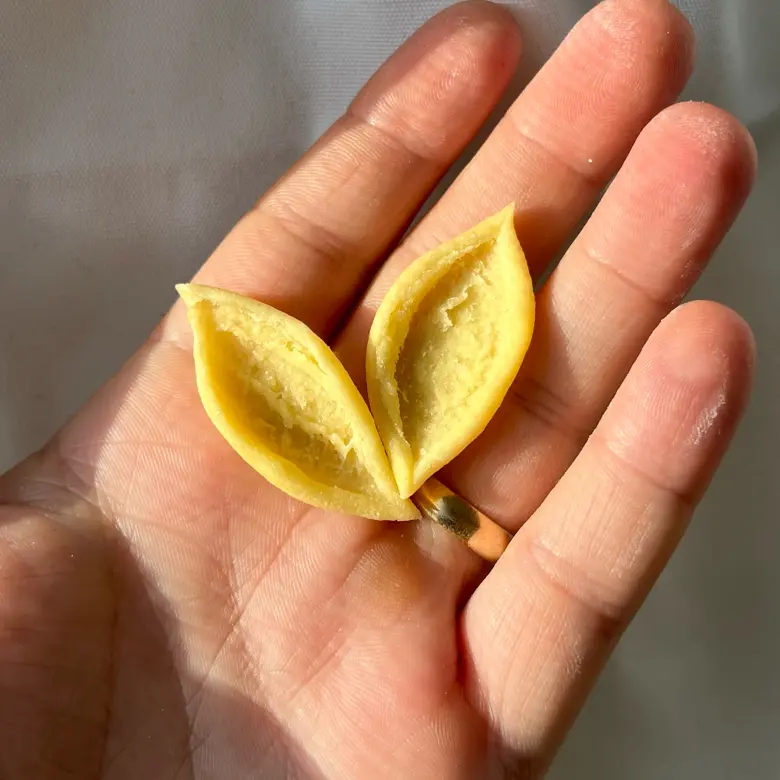
Filled Pasta & Ravioli
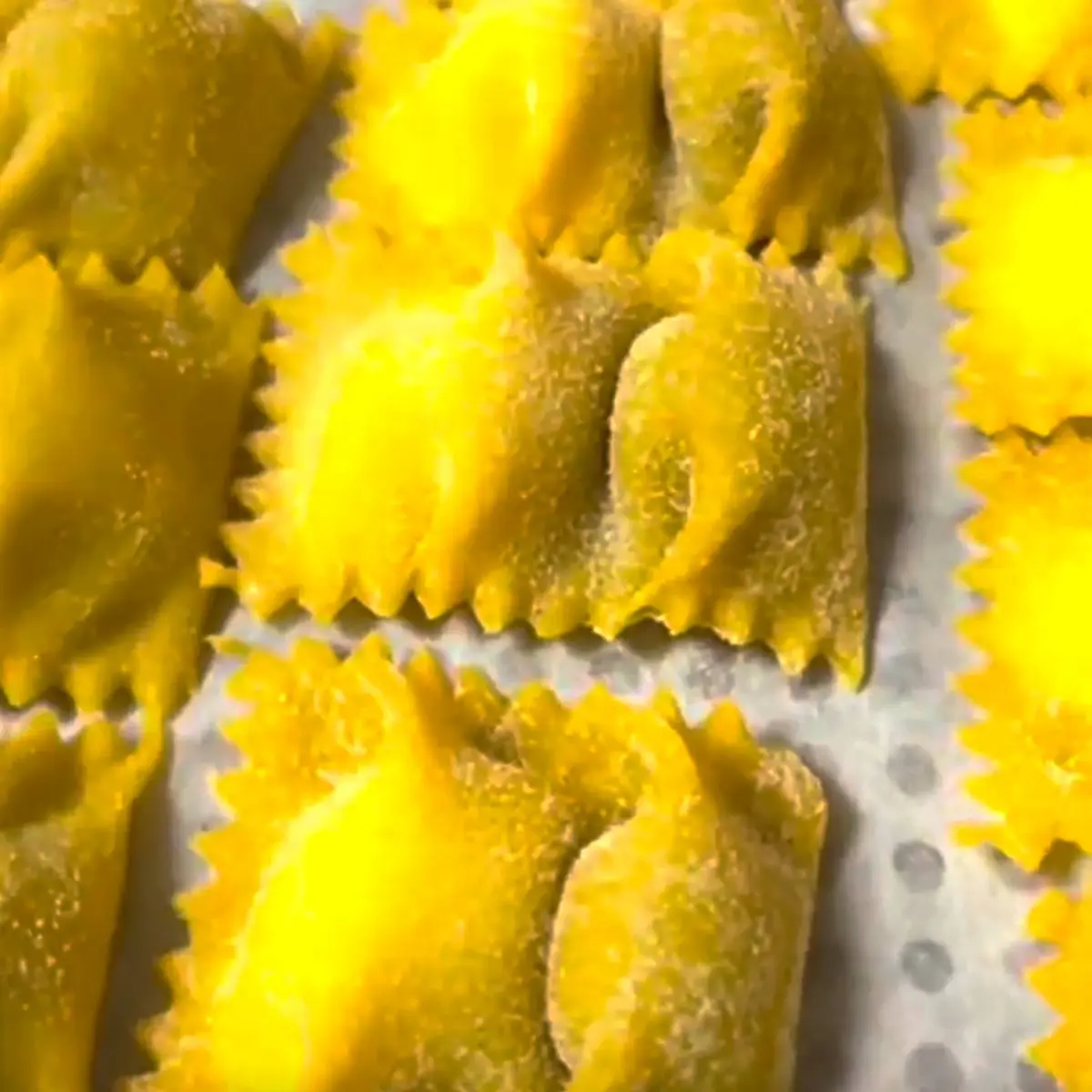
Sealing filling inside a sheet of dough without trapping air, which is what causes ravioli to burst in the pot. Filling ratio, moisture and sealing technique, covered together.
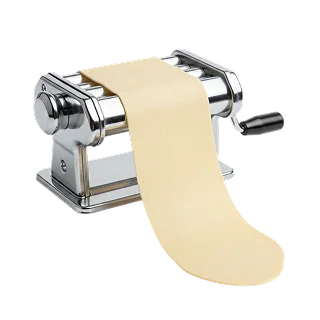
Pasta Lamination
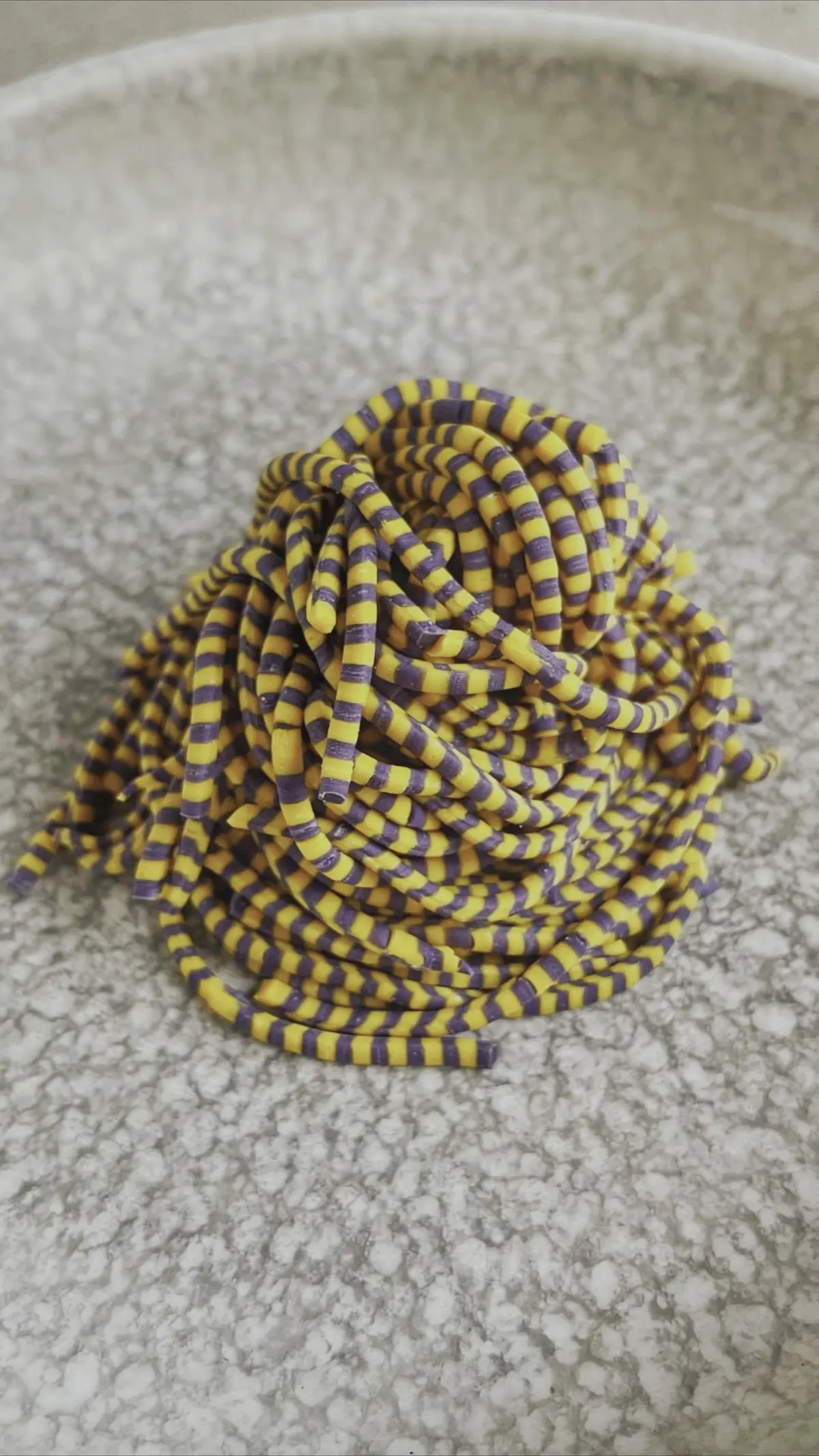
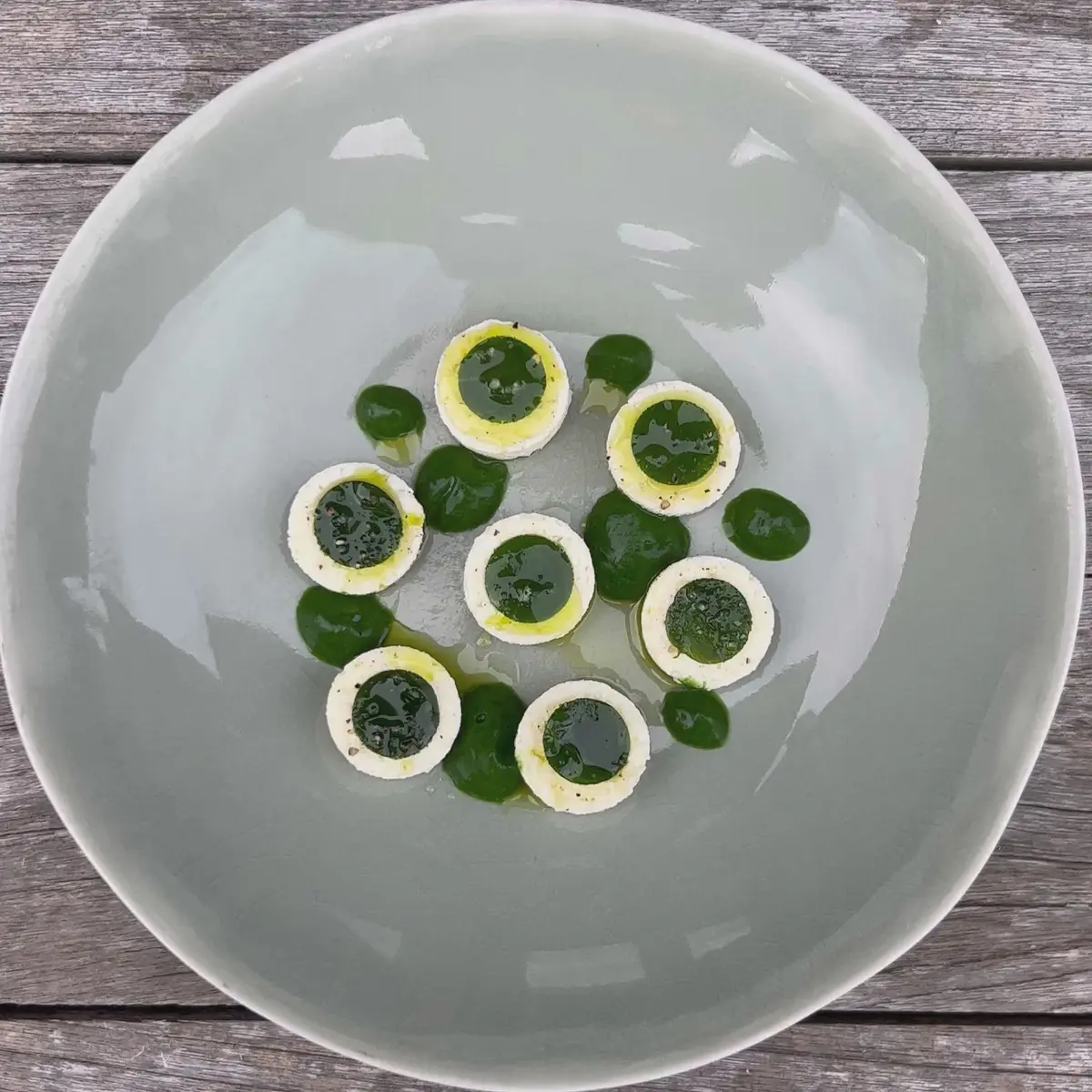
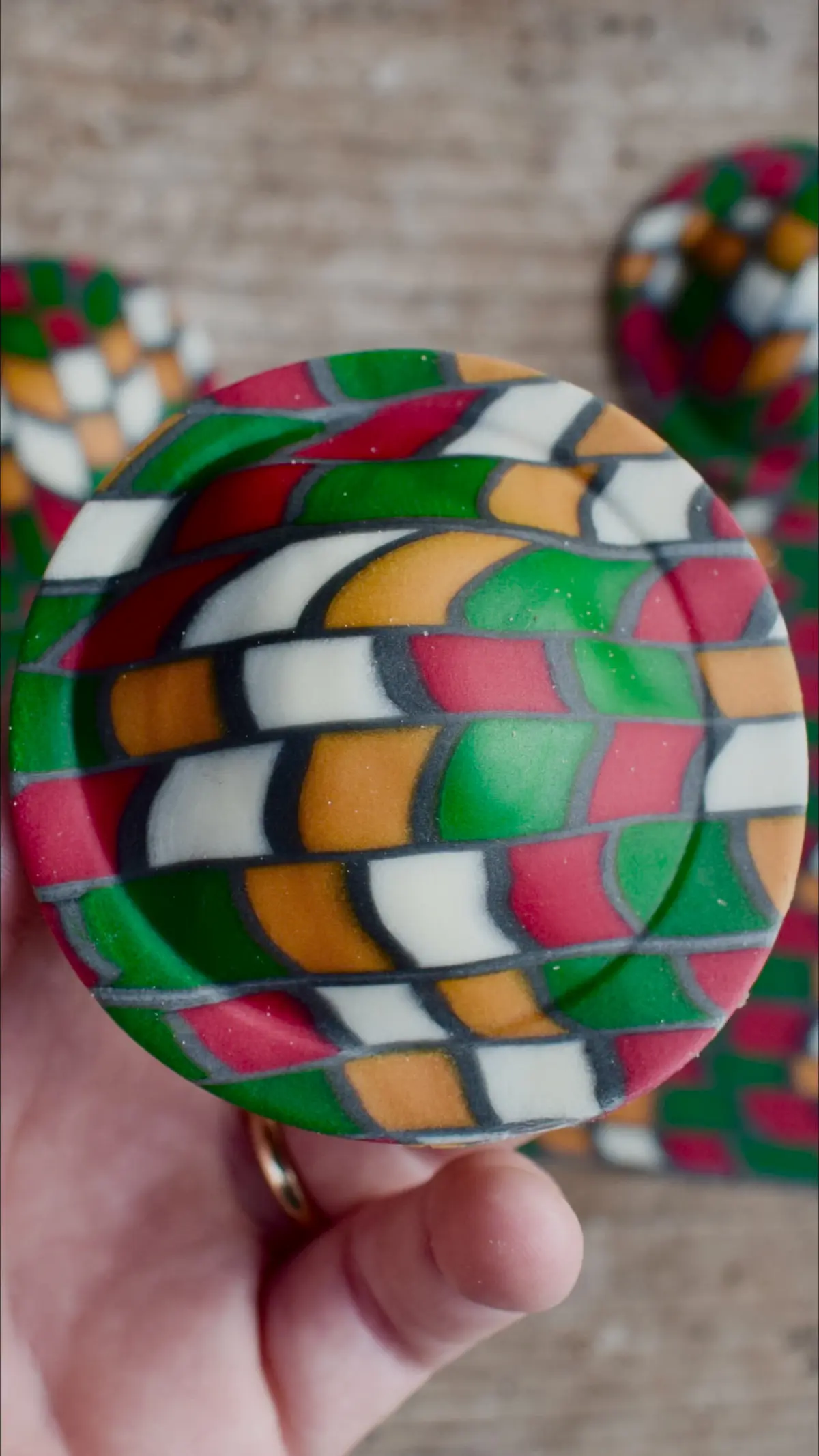
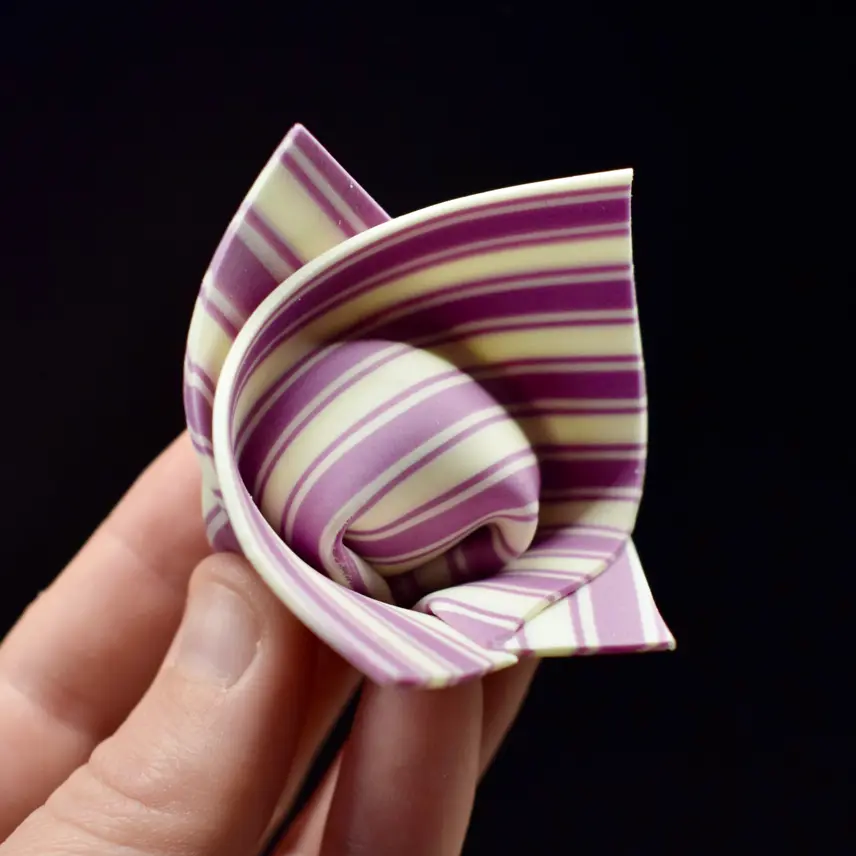
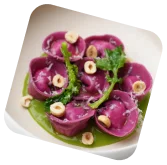
Pressing herbs or a thin filling between two rolled sheets before passing them through the machine together, a different technique from butter lamination, used here to build pattern and flavor straight into the dough.
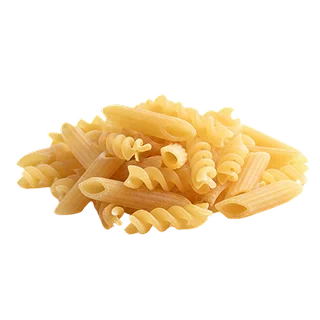
Extrusion & Dried Shapes
Forcing dough through a bronze or Teflon die to shape it, then drying it under controlled temperature and humidity. Why the die you use changes how sauce clings to the finished shape.
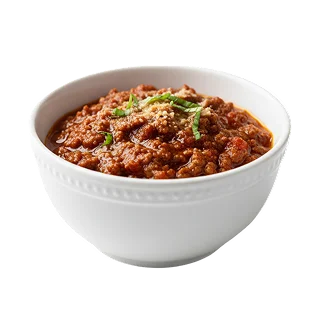
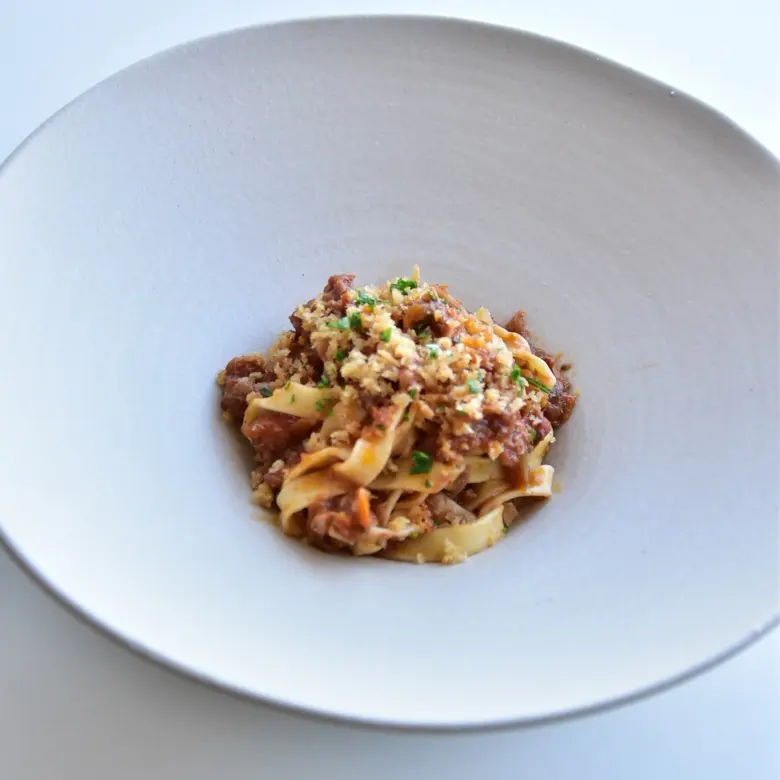
Sauce Pairing
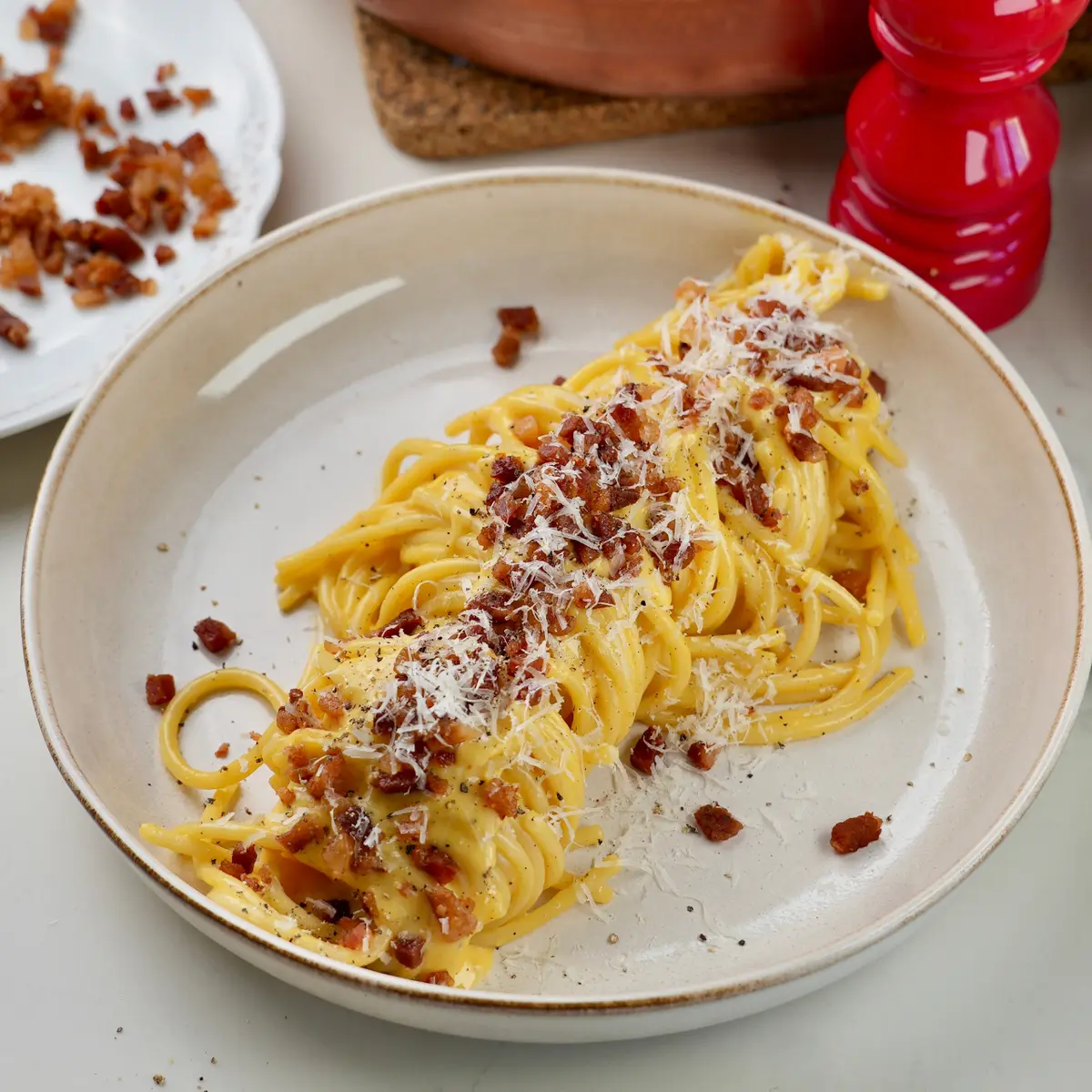
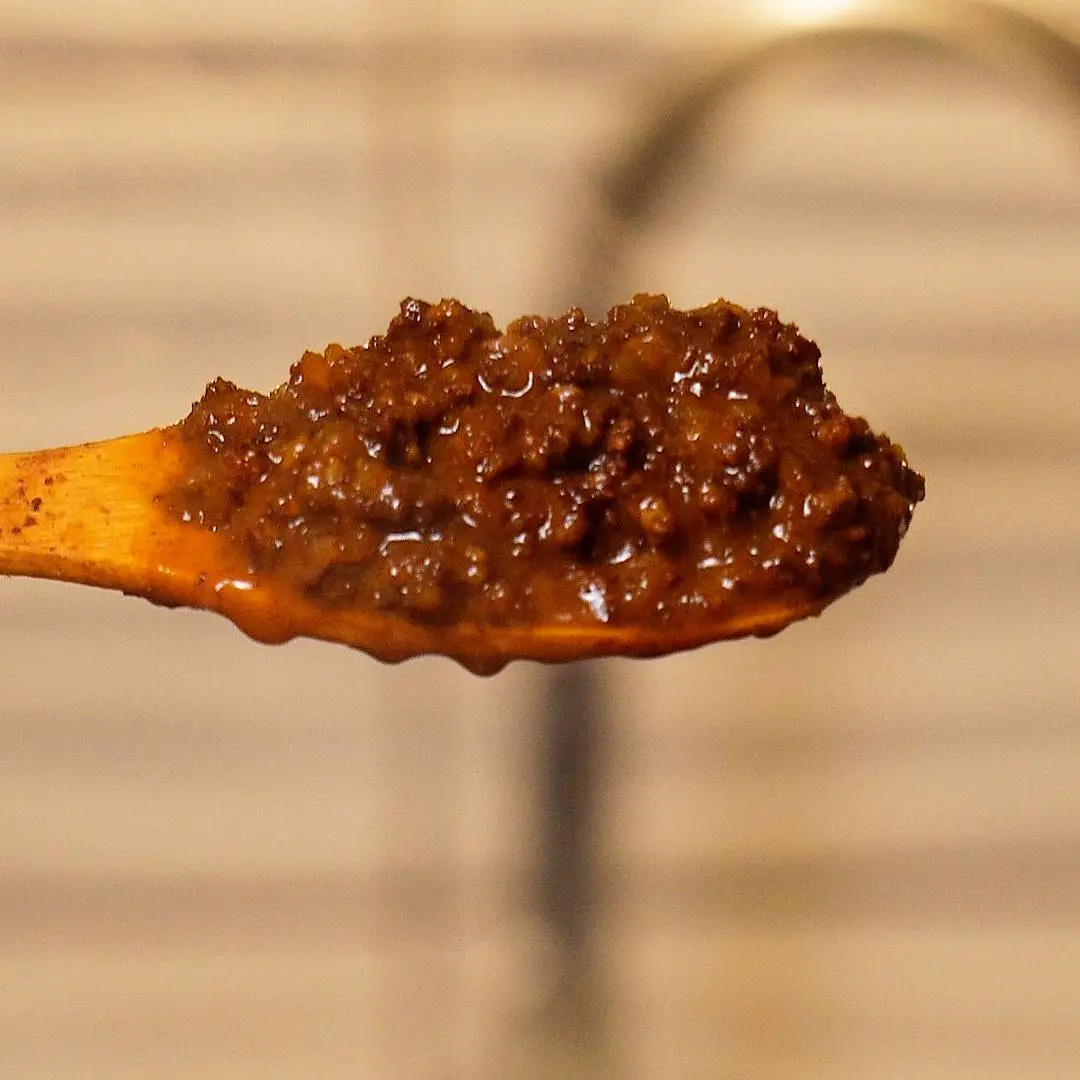
Matching sauce weight and surface area to shape geometry: why a ridged tube holds a chunky ragù and a delicate strand takes a thin oil-based sauce instead.
One membership. Access all content.
Every masterclass, the full recipe library, and the creators who add new recipes every week, all with Gronda PRO.
70+
Masterclasses, new ones every month
50,000+
Step by step professional recipes
1,500+
Creators cooking at professional restaurants
Frequently Asked Questions
There's no single certificate that makes you a pasta chef. It comes from repetition: getting your dough hydration right by feel, learning to laminate consistently, shaping by hand until it stops being a technique you think about and becomes one you just do. Most working chefs build this through a mix of kitchen time, mentorship, and deliberate practice, whether that's inside a culinary program or through focused, chef-led classes. Gronda's pasta classes are built for that second path: structured technique work you can return to as often as the craft demands.
It depends on what you're after. Basic dough and simple shapes come together in a matter of weeks of steady practice. Consistency at speed (the kind a professional kitchen expects) and confidence with filled shapes, lamination, and extrusion take longer, usually months of repeated practice rather than one course. Treat it the way you'd treat any hand skill: the timeline is set by how often you practice, not by a syllabus.
No. A degree can shorten the path to fundamentals, and plenty of working chefs have one, but it isn't a requirement. Just as many chefs built their skill through apprenticeship, kitchen experience, and continuing education outside a formal program. What matters more than the credential is whether your technique holds up under service.
Fresh pasta is typically made with eggs and a softer wheat flour, giving it a tender bite and a shorter cook time, and it's best paired with lighter, delicate sauces that won't overwhelm it. Dried (often extruded) pasta is usually made from semolina and water, holds a firmer bite, and stands up better to heartier, chunkier sauces. Neither is a substitute for the other. Choosing between them is a technique decision, not a quality one.
Broadly, pasta falls into a few families: long shapes like tagliatelle and spaghetti, short shapes like penne and orecchiette, filled shapes like ravioli and tortellini, and extruded shapes made with a die rather than by hand. Each family behaves differently with sauce, and that's really the more useful way to think about it than memorizing shape names. Gronda's classes go into that behavior in more depth than a shape glossary can.
Traditionally, through years of apprenticeship inside Italian kitchens, often alongside formal training at an in-person culinary school. That path still works, but it isn't the only one left. Chefs building Italian technique today increasingly do it through focused, chef-led study, learning directly from people who trained and worked in Italian kitchens, without relocating to do it. That's the gap Gronda's pasta classes are built to close.

Start free for 7 days
Every masterclass, 50,000+ professional recipes, and 1,500+ creators. No payment required.
4.8 on the App Store
3M+ chefs
App of the Day in 120+ countries