Master Sauce Making Online, with Professional Chefs
From the five mother sauces to emulsions, reductions and pan sauces: the classical sauce technique every kitchen still runs on. Learn at your own pace.
Free 7-day trial. Cancel anytime.
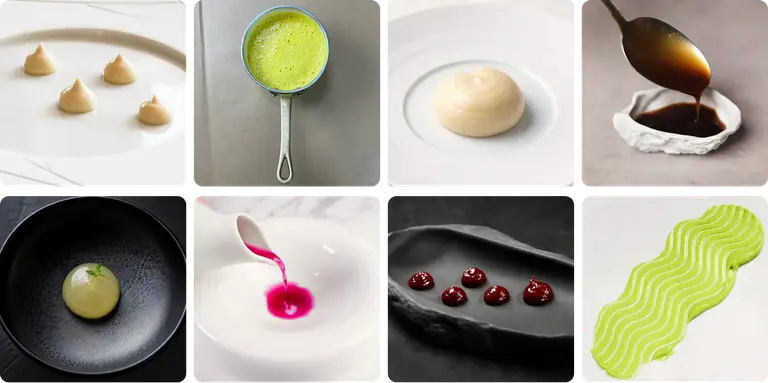
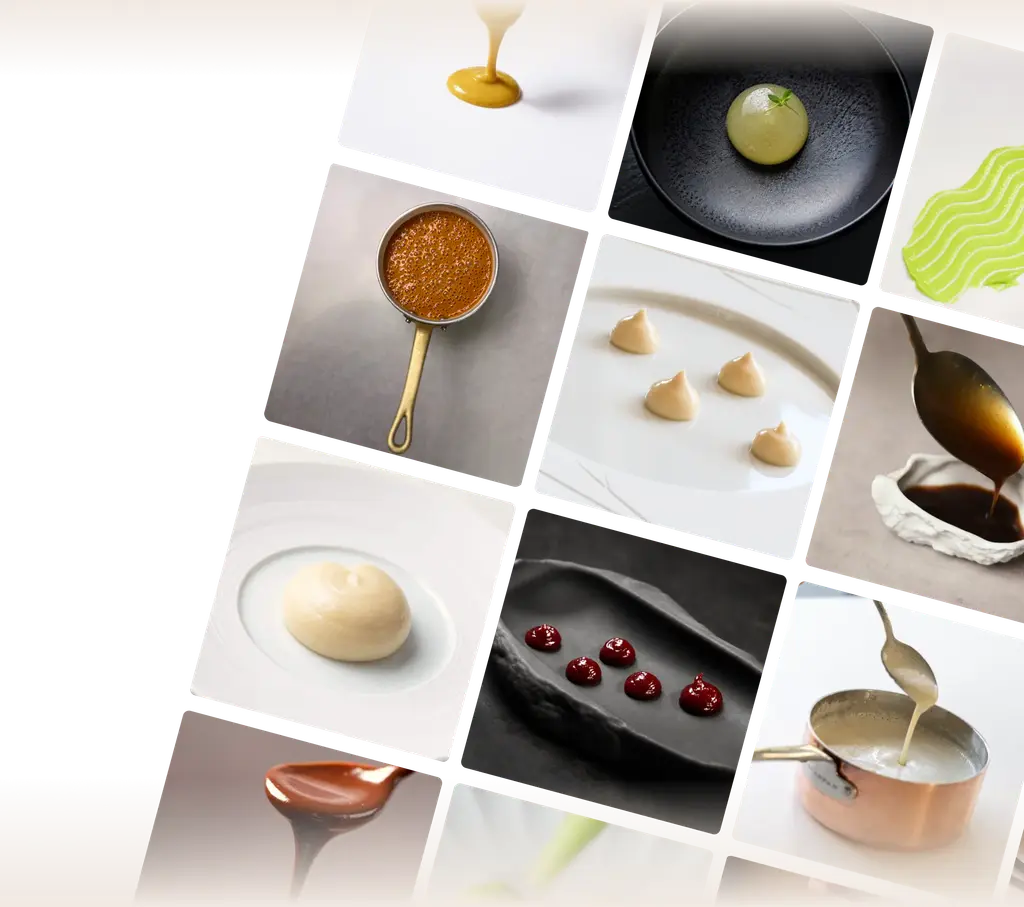
Understand the technique behind every step
Correct roux ratio, reduction point, emulsion temperature, seasoning and more for consistent sauces every time.
Mother Sauces & Classic Techniques
Emulsions & Hollandaise
Stocks & Reductions
Roux & Thickening
Pan Sauces & Deglazing
Beurre Blanc & Butter Sauces
Espagnole & Demi-Glace
Compound Butters & Finishing Sauces
10 masterclasses
Mother sauces, emulsions, stocks, reductions and pan sauces. Filmed start to finish, with recipe sheets and quantities, taught by the chef who runs the section.
4,556 recipes & techniques
Explained step by step, with new content added every week. So that you are always up to date with the latest sauce trends.
Discover Sauces at your own pace
Sauce Making Courses, From Mother Sauces to Finishing Sauces
Filmed start to finish, with recipe steps and quantities. Mother sauces, emulsions, stocks, reductions and pan sauces, taught by professional chefs.
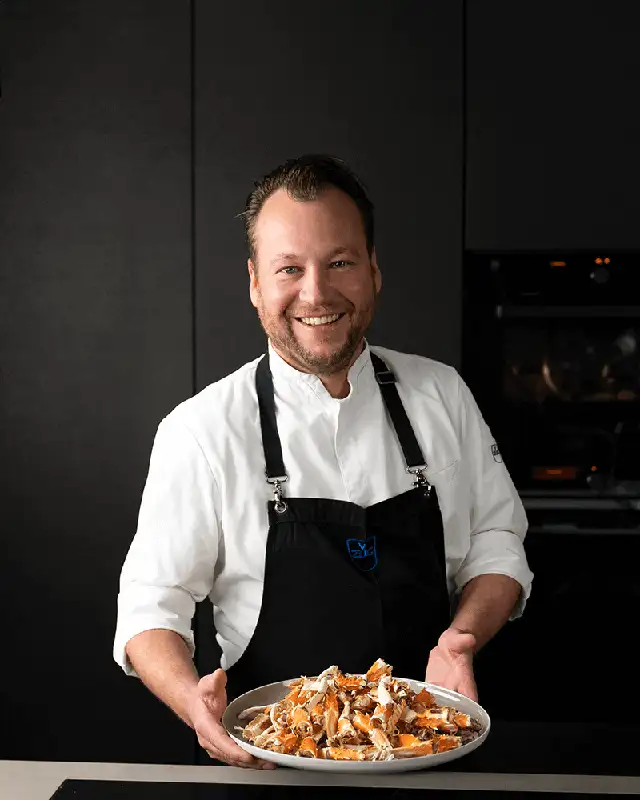
Stocks and Sauces: the 3 star approach
8 Lessons
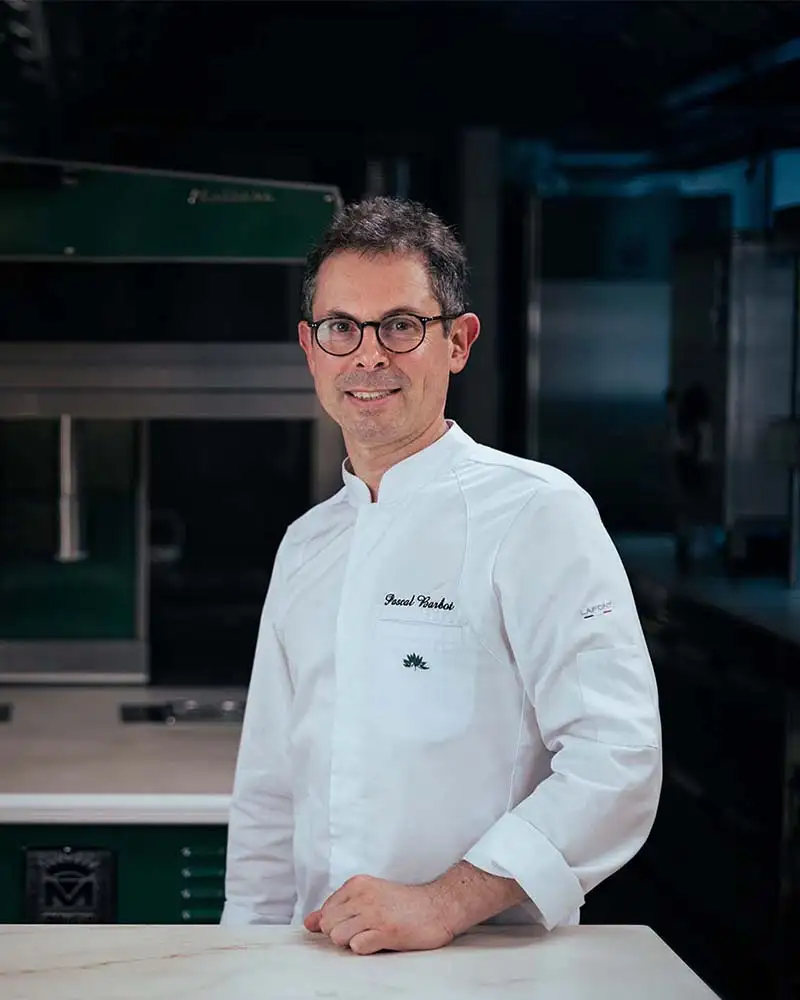
The Magic of Flavors: Condiments & Marinades
9 Lessons
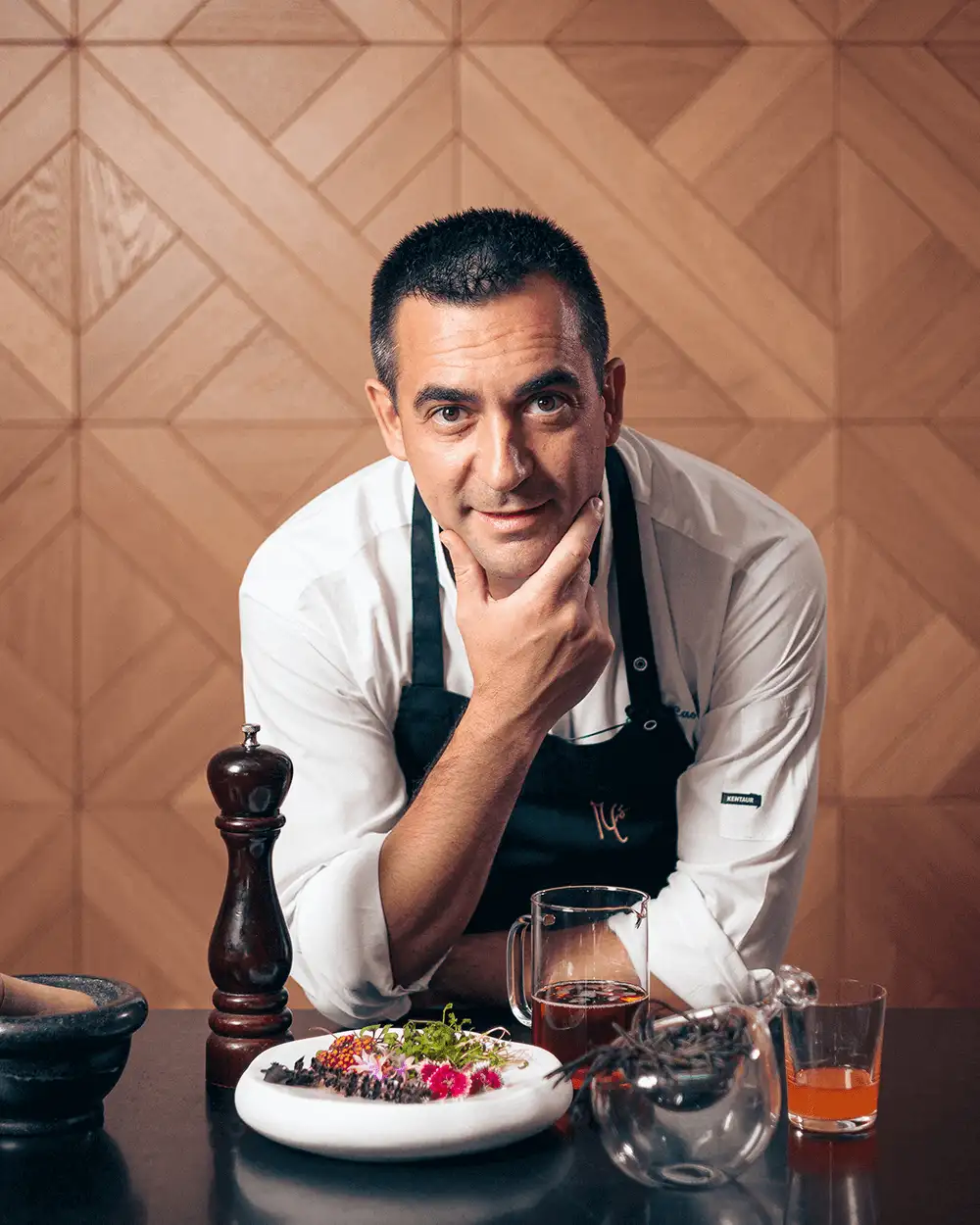
Sauces, Foams & Purees: 3-Star Recipes
12 Lessons
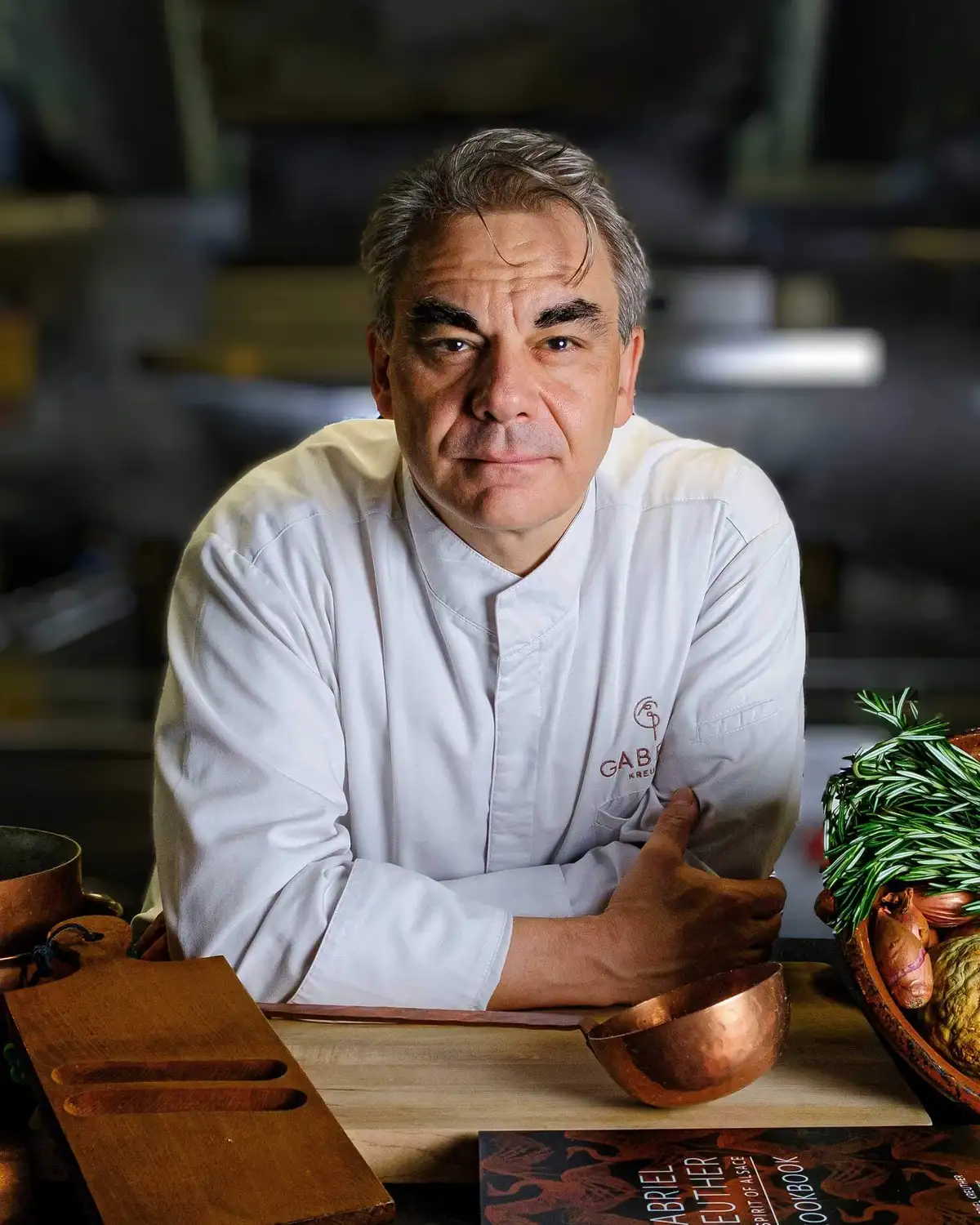
7 Game-Changing French Sauces
7 Lessons
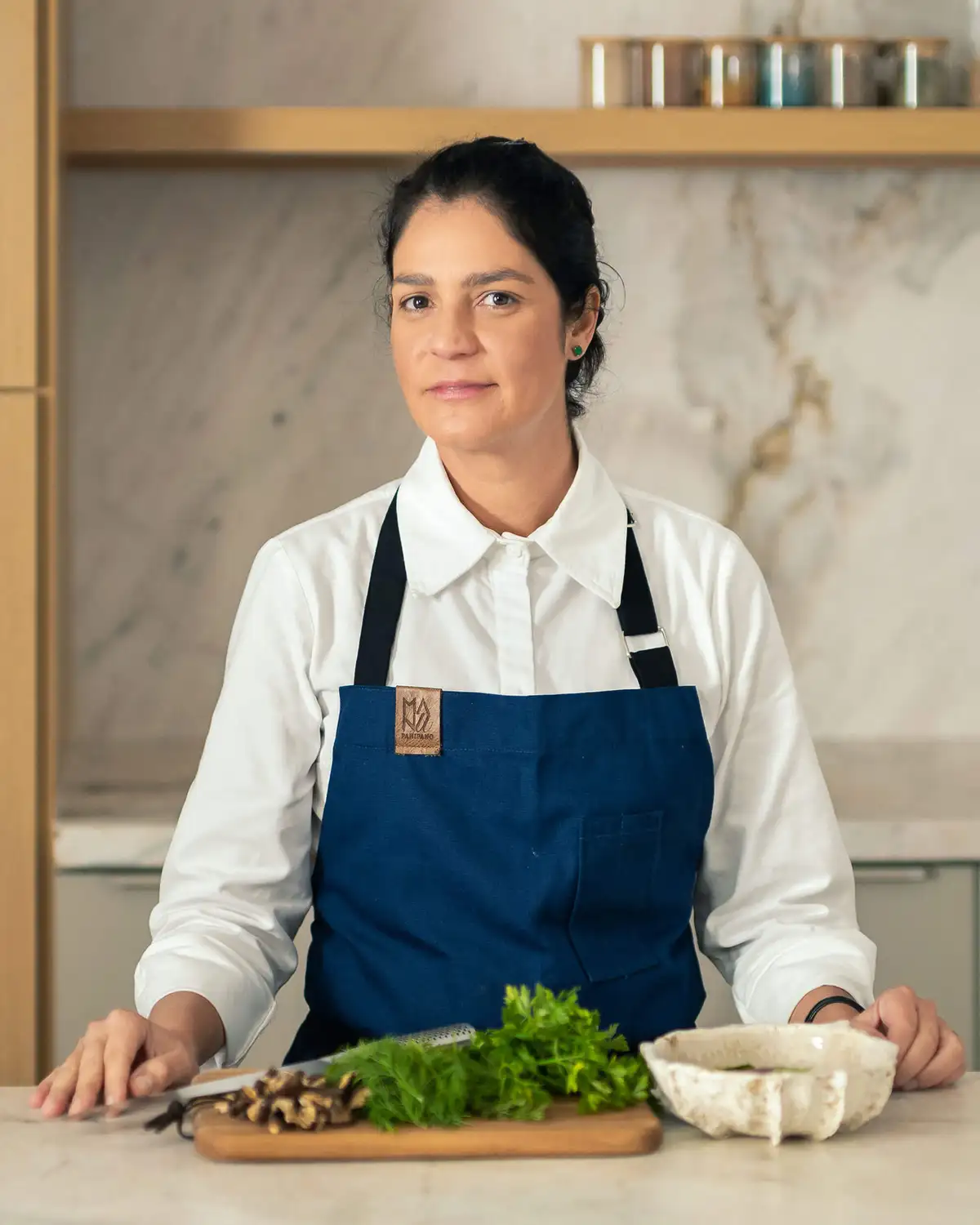
Unique Flavor Pairings: Sauces, Marinades & More
11 Lessons
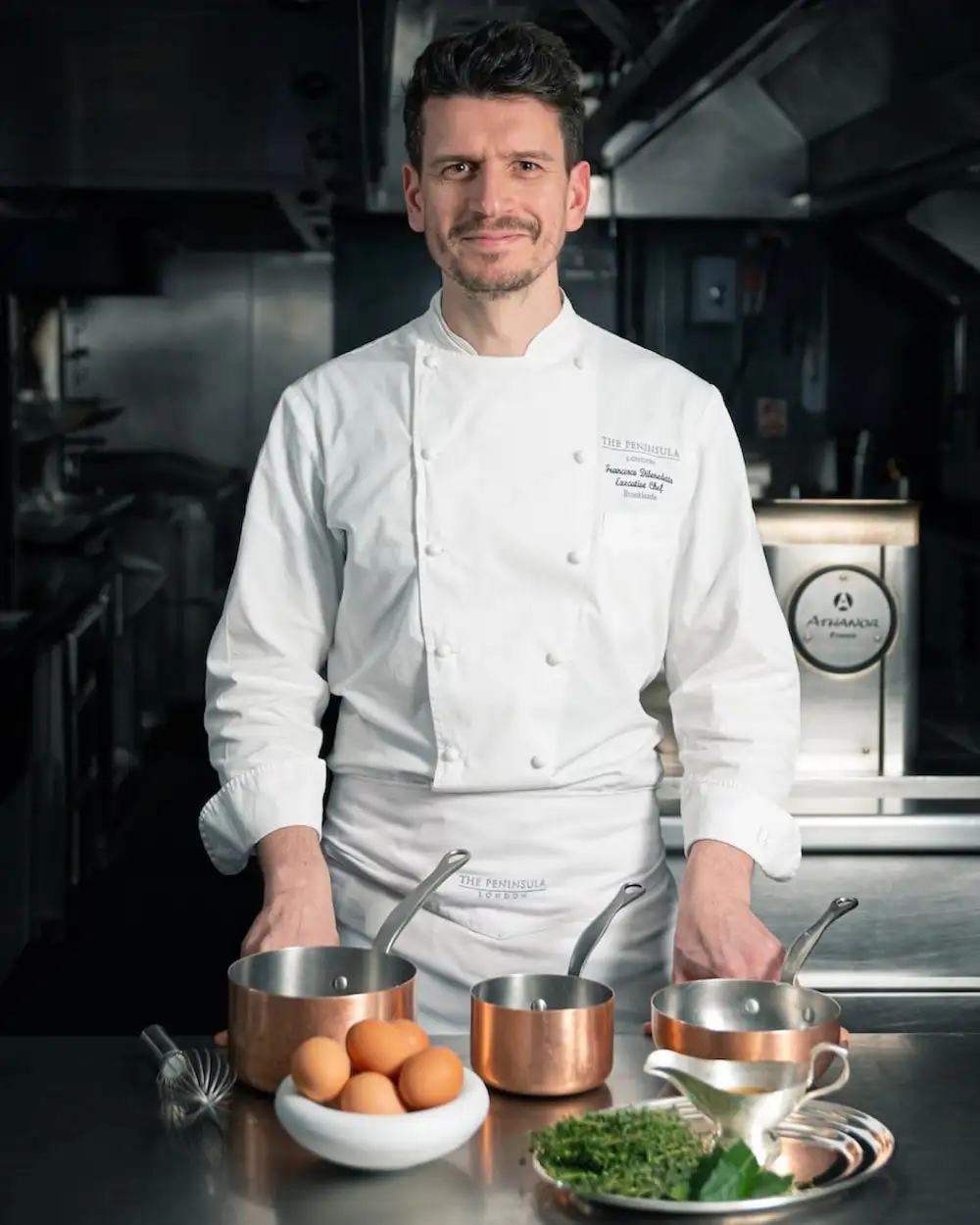
Next-Level French Sauces
5 Lessons
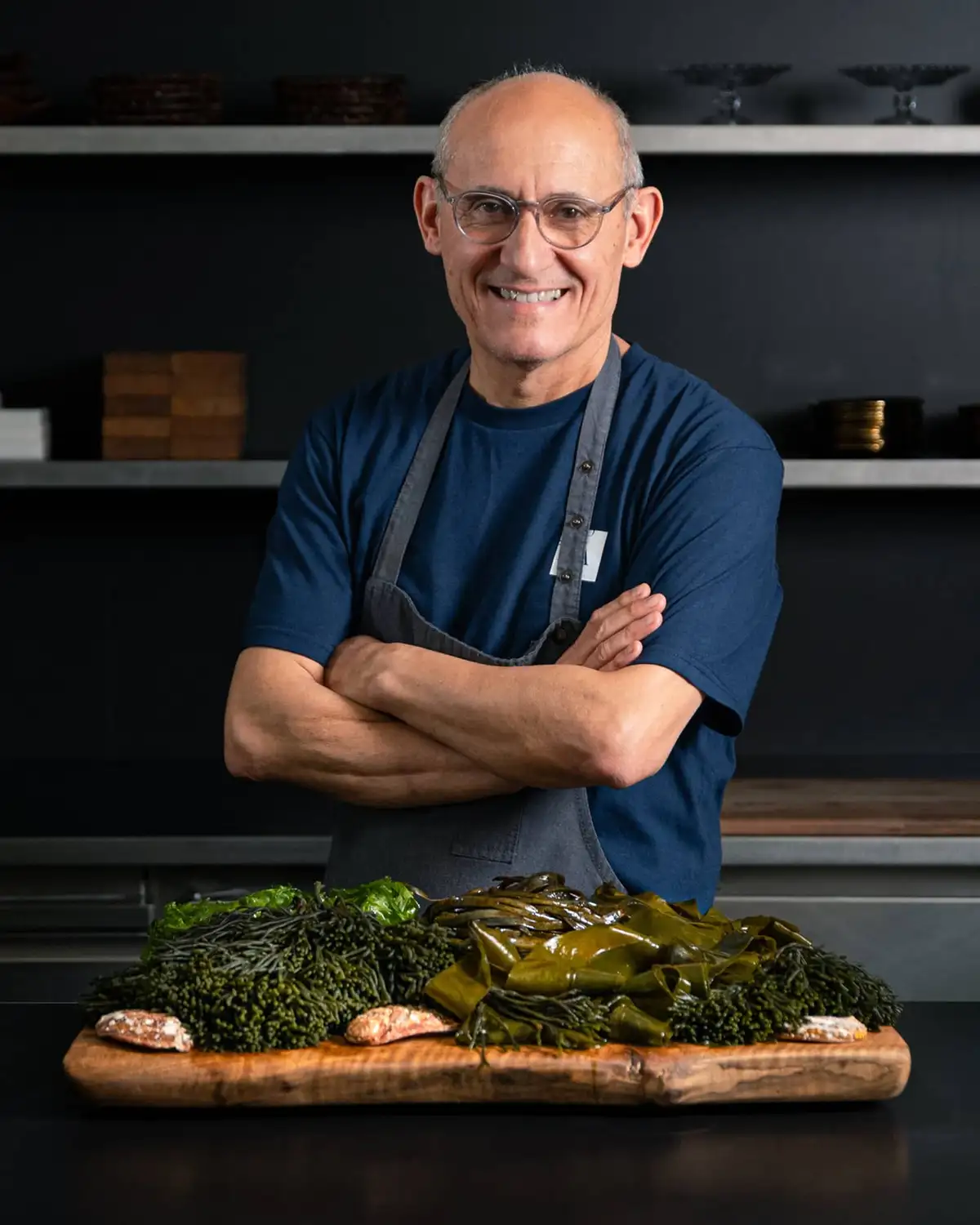
Seaweed Butters & Emulsions
6 Lessons
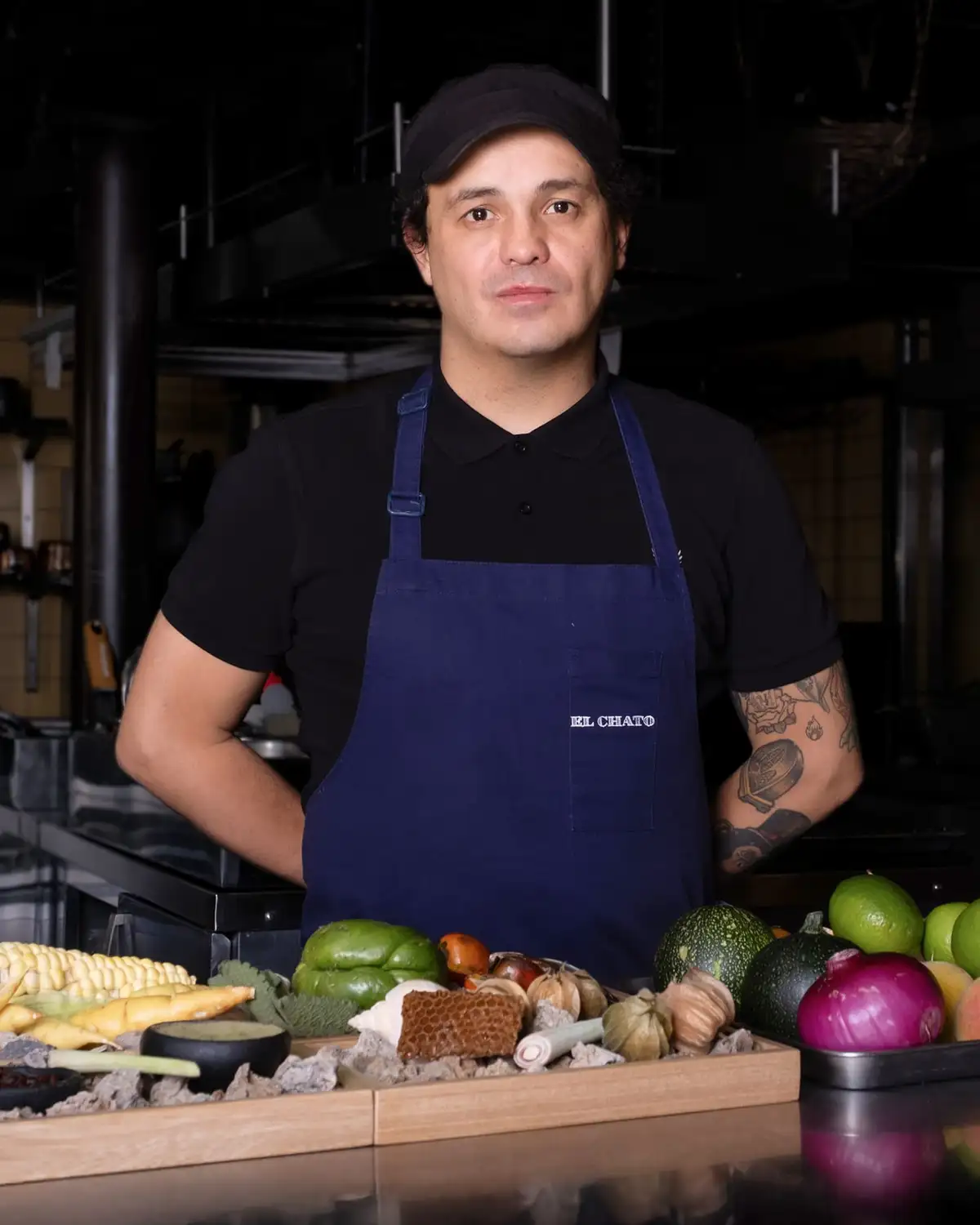
Modern Colombian Sauces & Purées
6 Lessons
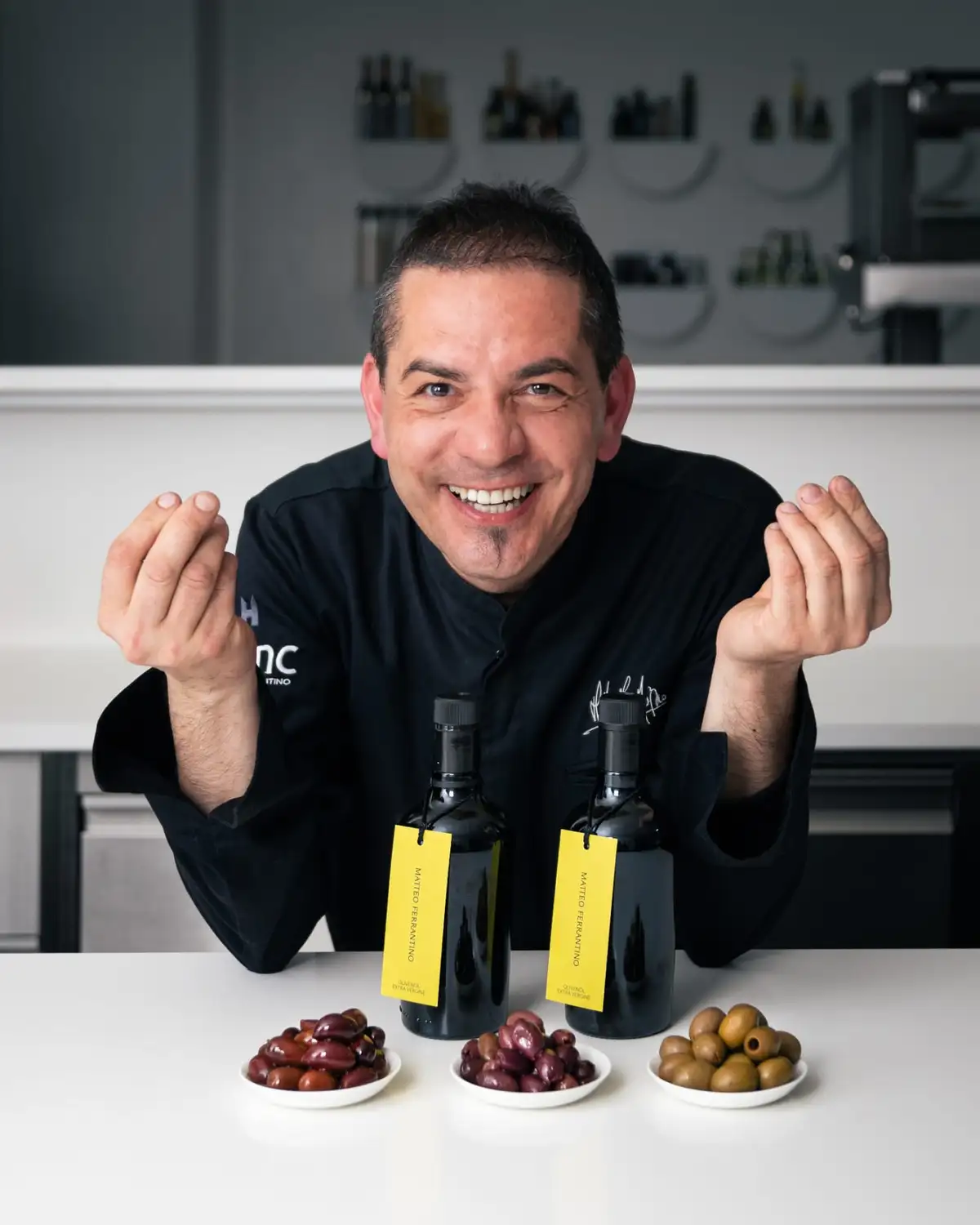
Liquid Gold: Preparations with Olive Oil
6 Lessons
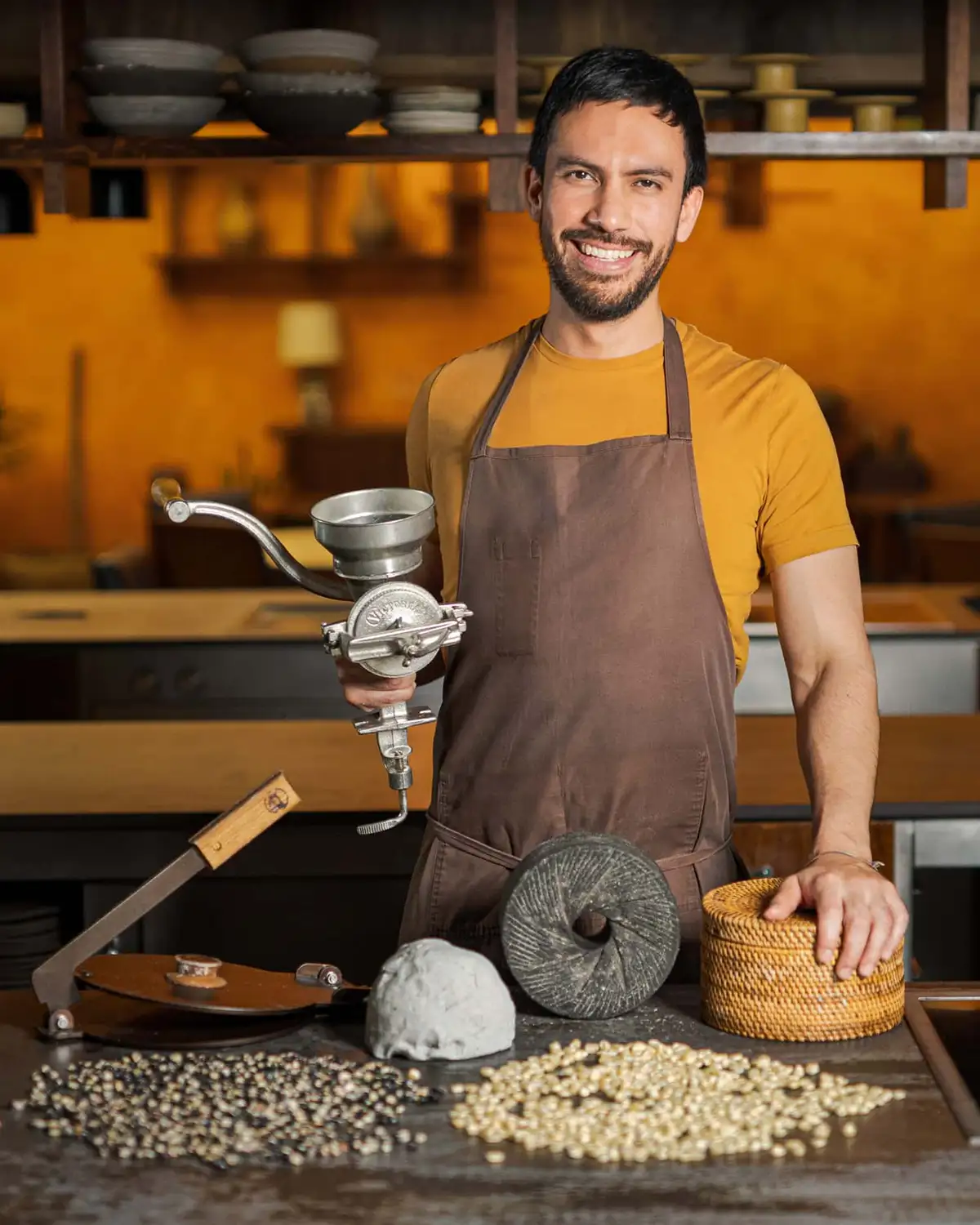
The Secret Behind Great Tacos and Salsa
9 Lessons
Sauce Recipes, Built for Practice
Classes are just the start. Professional sauce recipes from the world's leading chefs, added every week.
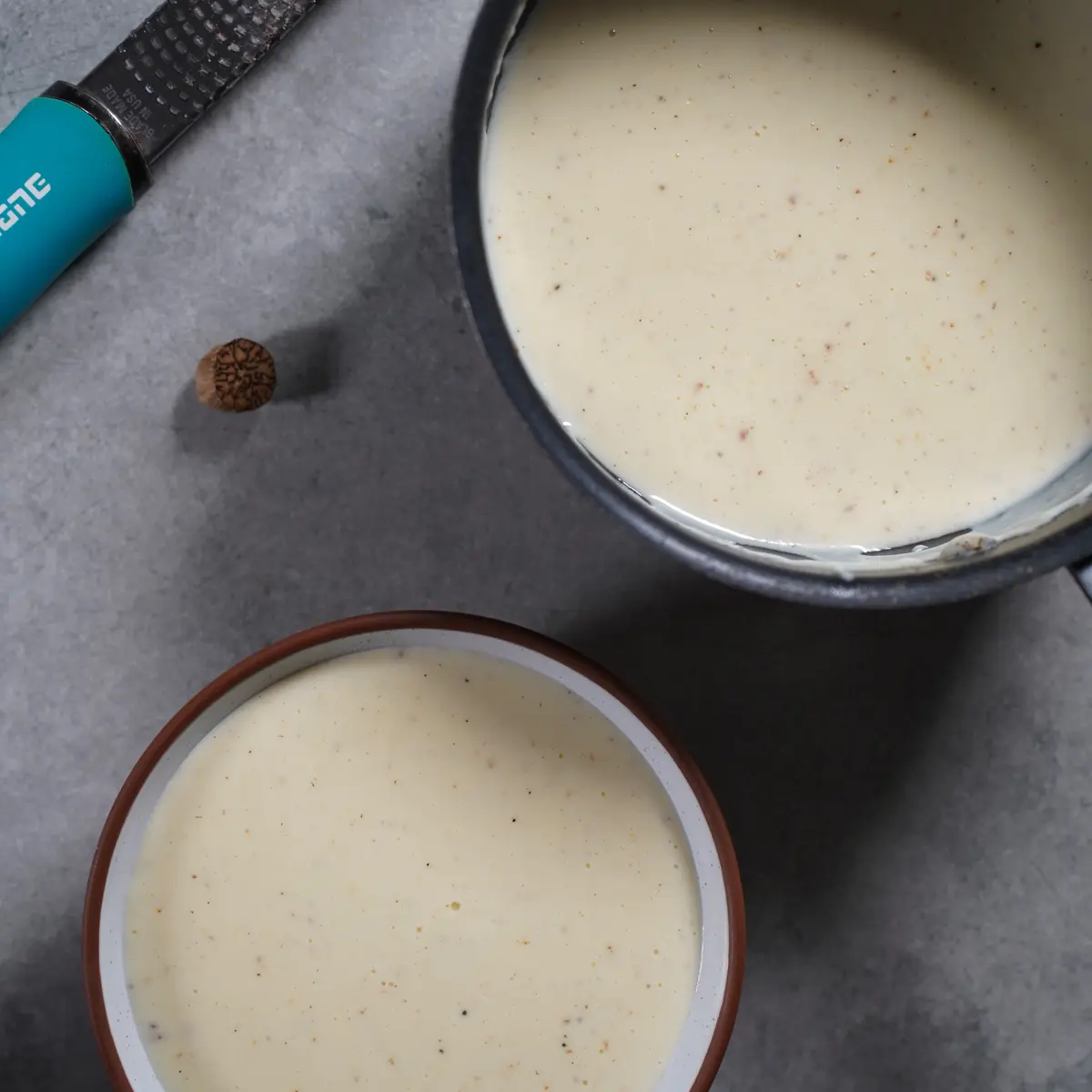
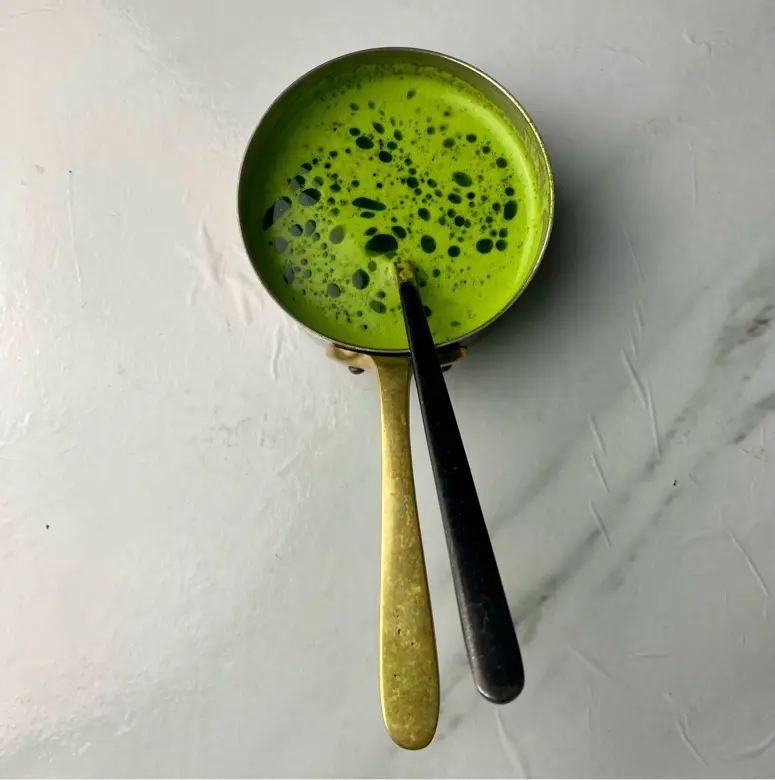
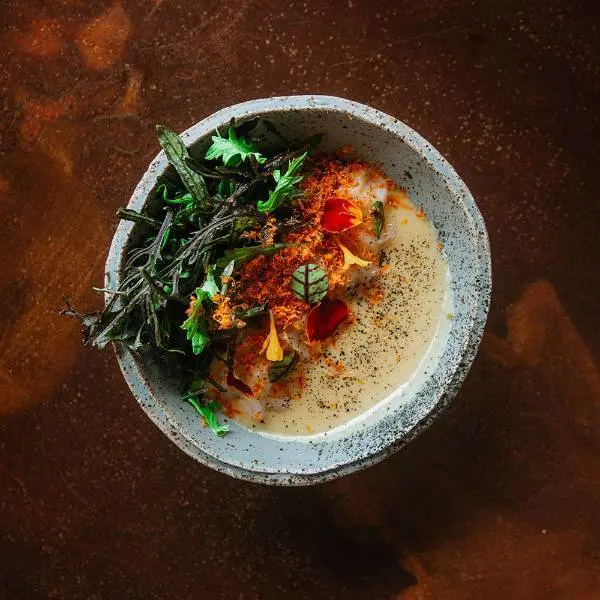
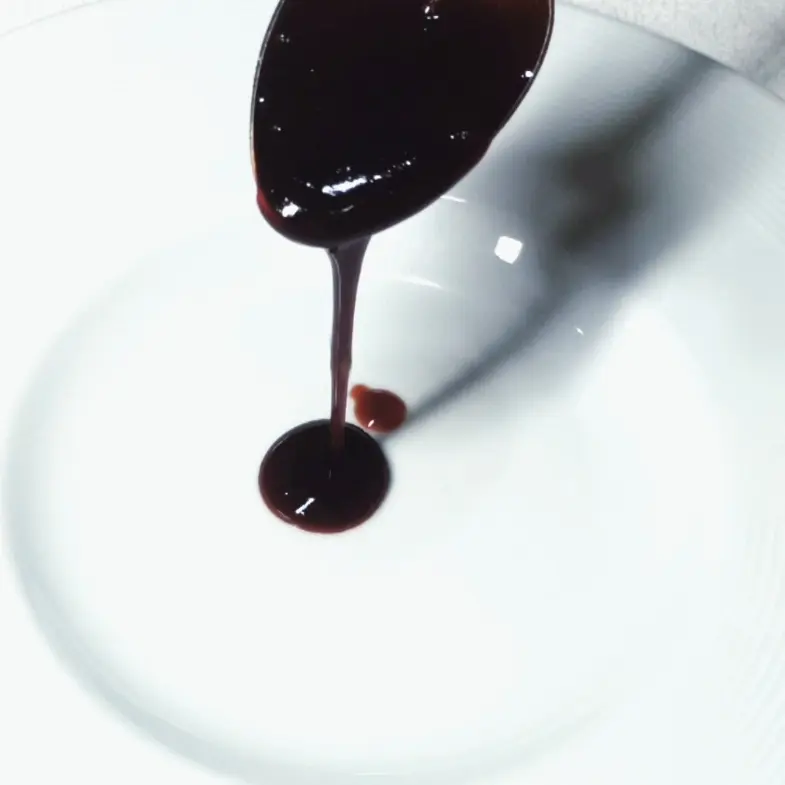
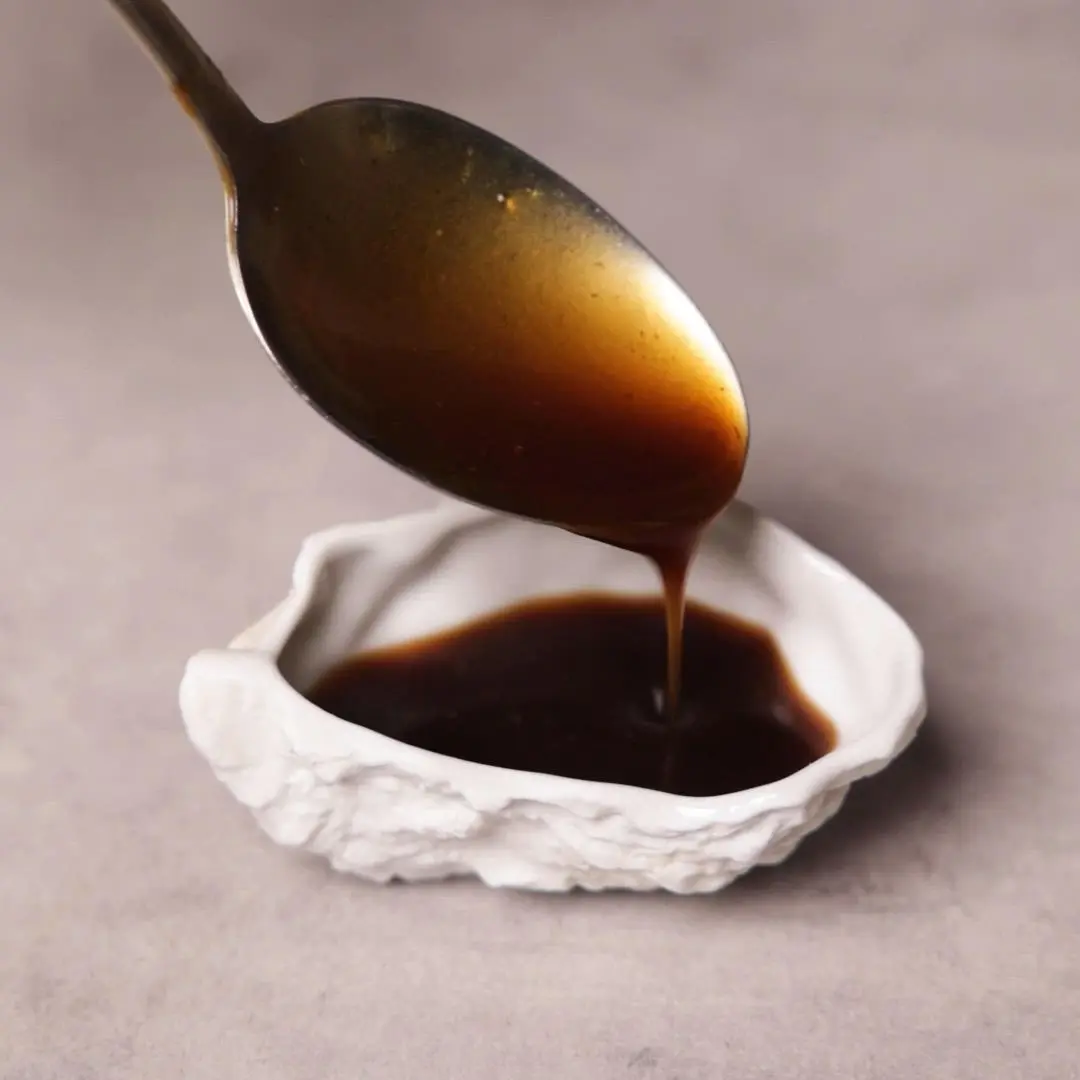
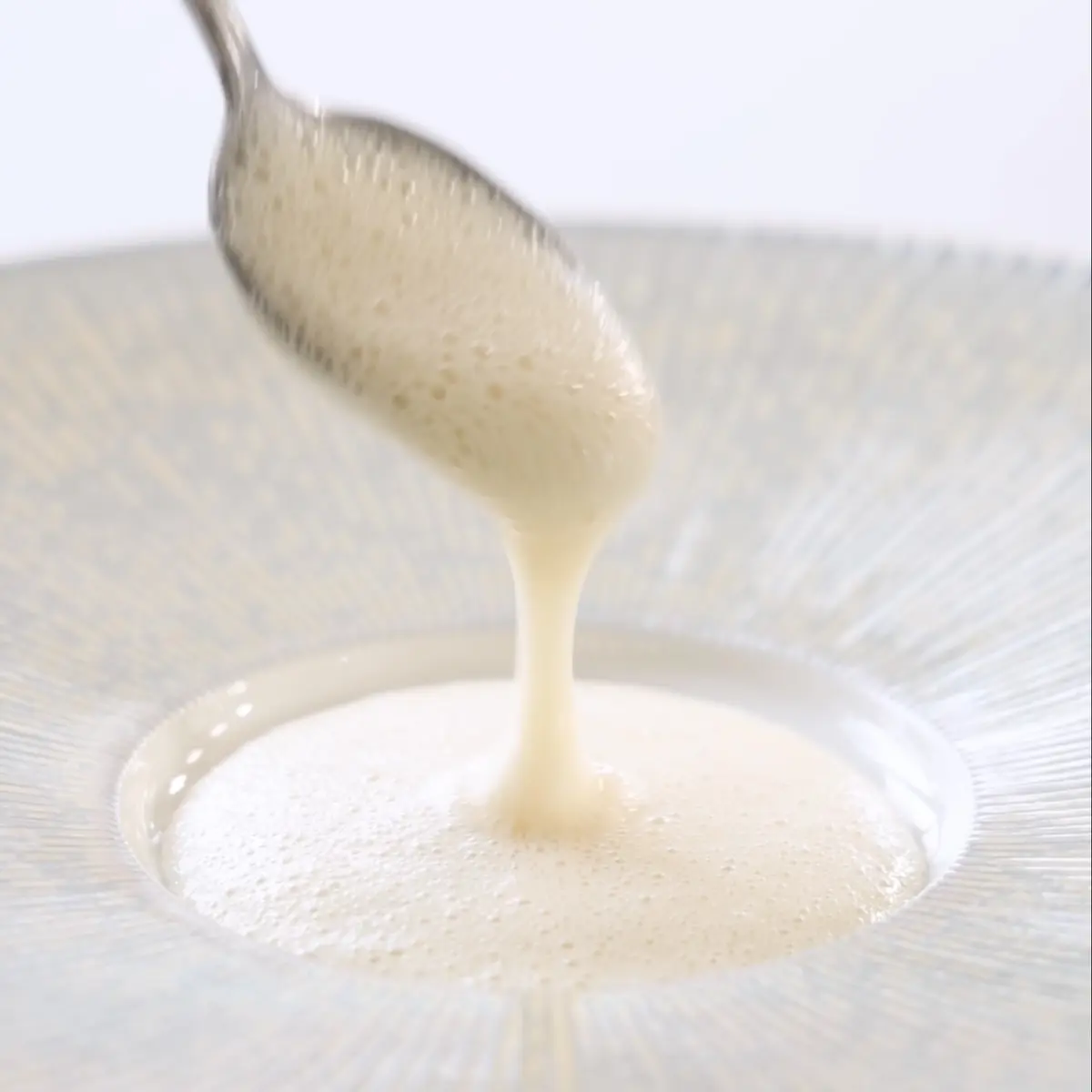
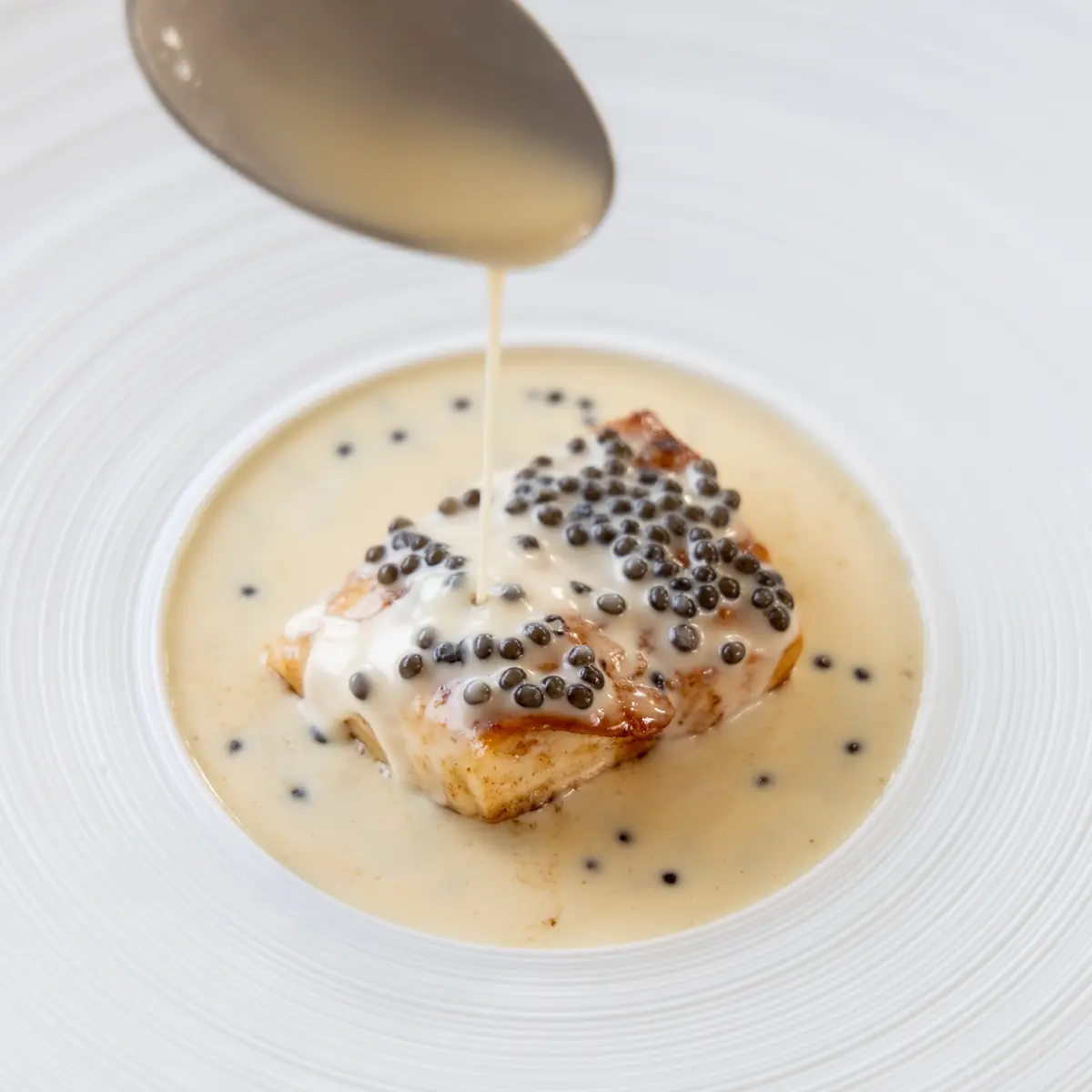
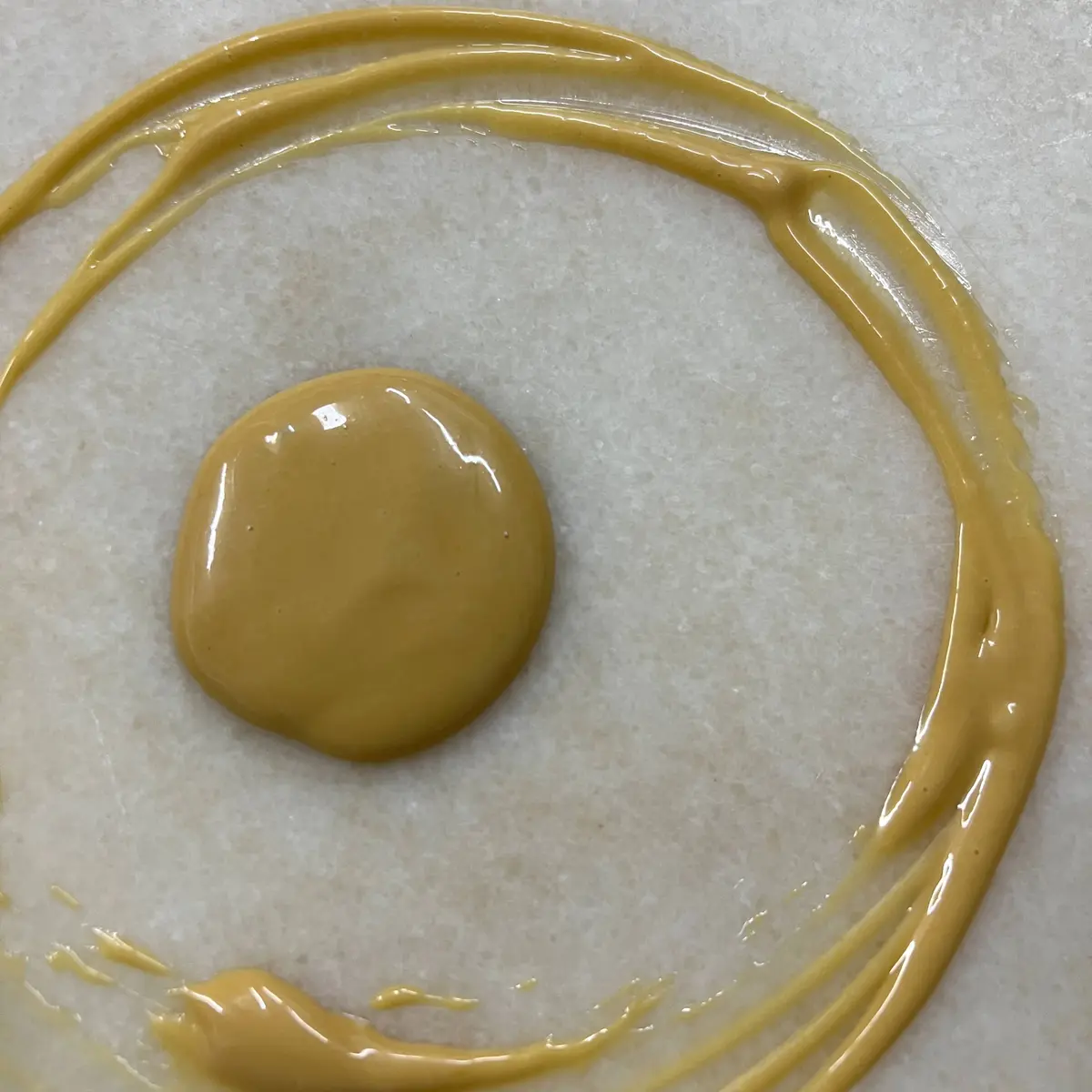
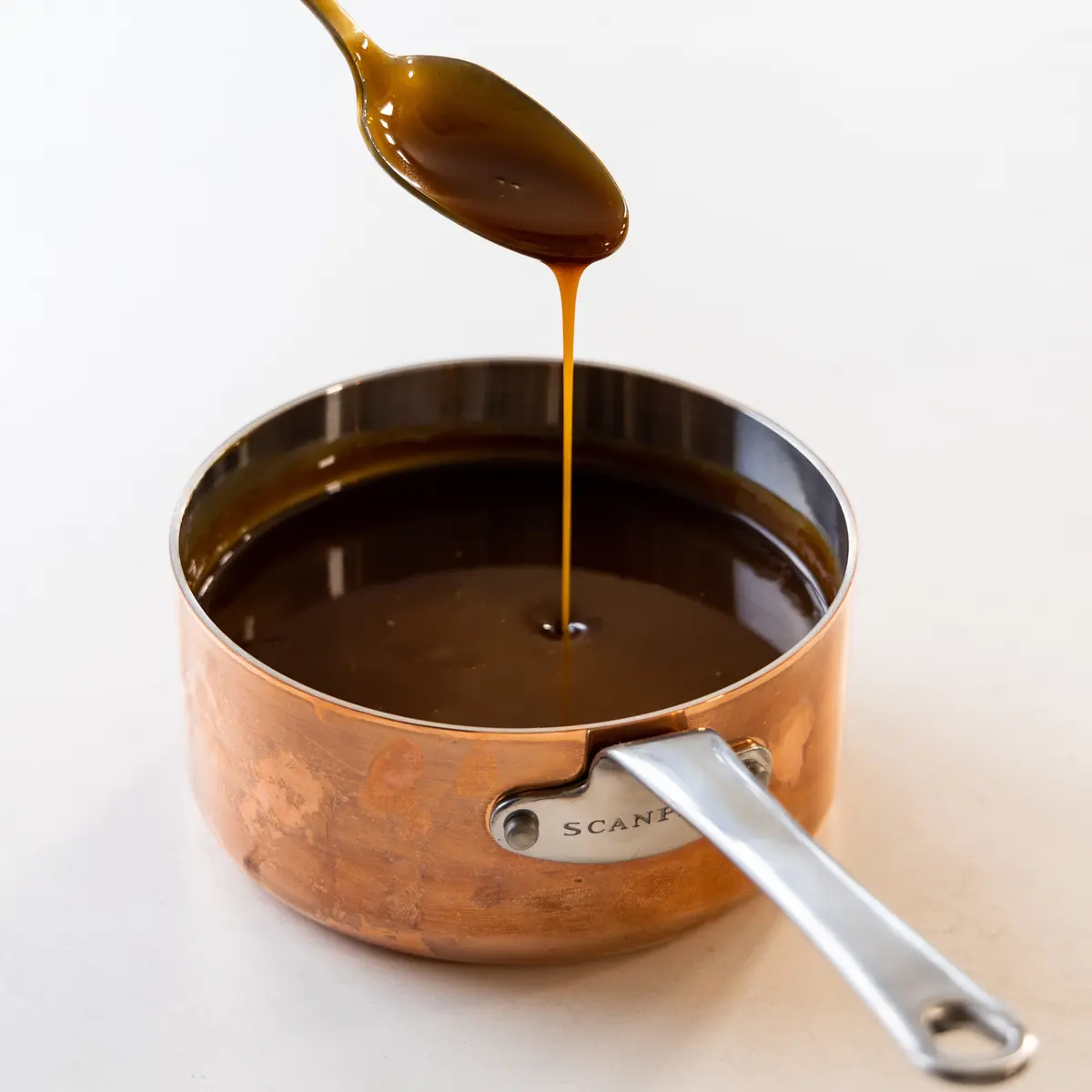
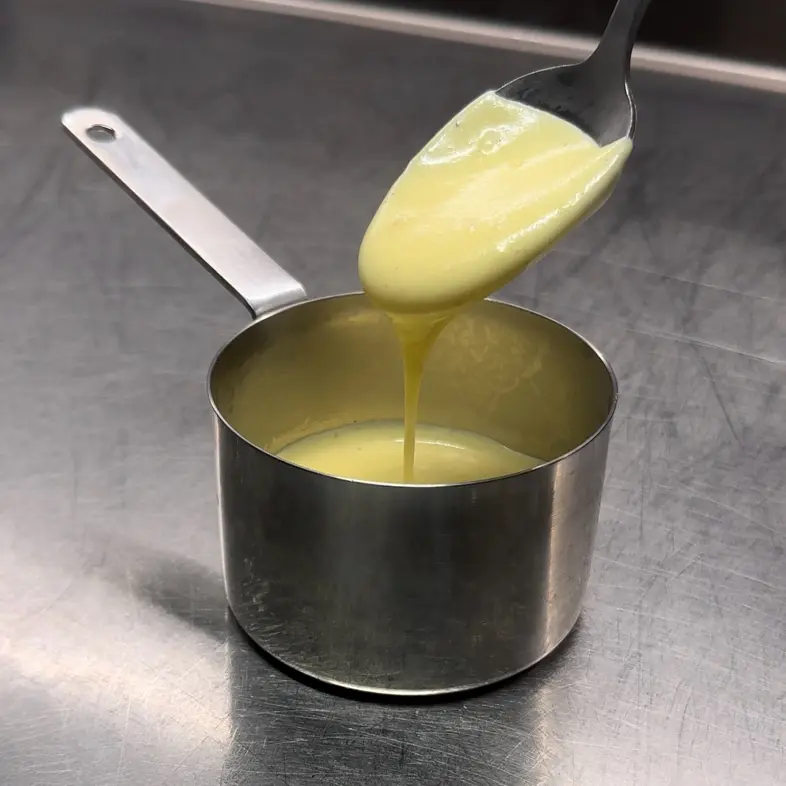
Covered Techniques, From the Roux to the Final Mount
Mother Sauces
Béchamel, velouté, espagnole, hollandaise and tomato: the five foundational sauces that every other classic sauce is built from. Once these are solid, dozens of derivatives follow.

Emulsions
Hollandaise, béarnaise and beurre blanc hold because fat stays suspended in liquid at the right temperature. Too hot and they split, too cold and they never come together.

Stocks & Reductions
Espagnole, demi-glace and most classic sauces start with a well-made stock. Reducing it concentrates flavour and body, and knowing when to stop separates a glossy sauce from a sticky one.
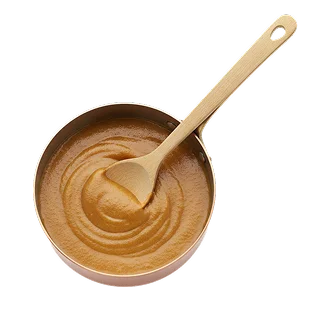
Roux
Flour cooked in fat to thicken béchamel, velouté and espagnole. White, blond or brown: the cooking time sets both the colour and how much thickening power is left.
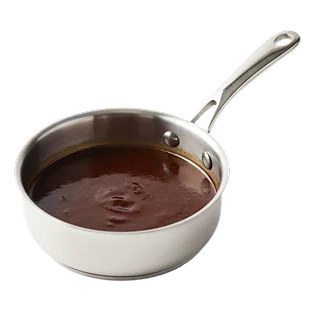
Pan Sauces
Deglazing the fond left after searing, reducing, then mounting with cold butter. The fastest sauce on the line, built in the same pan as the protein it goes with.
One membership. Access all content.
Every masterclass, the full recipe library, and the creators who add new recipes every week, all with Gronda PRO.
70+
Masterclasses, new ones every month
50,000+
Step by step professional recipes
1,500+
Creators cooking at professional restaurants
Frequently Asked Questions
Repetition at the smoker, more than any single class or certificate. A pitmaster learns to read fire and smoke the way a saucier reads a reduction, by doing it again and again until timing and instinct take over. On Gronda, that repetition starts with low and slow smoking technique and builds from there, class by class.
By spending time at the sauce station, building the same handful of techniques (reduction, emulsion, deglazing) until they hold under service pressure. The mother sauces are the starting point every classical kitchen still teaches from, and they're where sauce technique training on Gronda starts too.
No. It's a station you earn through kitchen experience and repetition, not a credential you're issued. A culinary degree can shorten the learning curve, but it isn't a requirement to work the sauce station or to keep building toward it.
The five foundational sauces classical French technique is built on: béchamel, velouté, espagnole, hollandaise and tomato. Every other classic sauce is a variation on one of these five, which is why they're still the starting point for sauce technique training.
Grilling is fast and direct: high heat, food close to the flame, done in minutes. Smoking is slow and indirect: low heat, food kept away from the direct fire, and time (often hours) doing the work that heat alone can't. Same fire, two different disciplines.
There's no fixed number of weeks. It's a skill built through repeated cooks: reading how your fire behaves, learning how a specific cut responds to time and temperature, and adjusting the next cook based on the last one. Consistency comes from reps, not from a calendar.

Start free for 7 days
Every masterclass, 50,000+ professional recipes, and 1,500+ creators. No payment required.
4.8 on the App Store
3M+ chefs
App of the Day in 120+ countries